Recently, the Food and Agriculture Organization of the United Nations (FAO) released its Food Outlook report. The report indicates that the outlook for the global food commodities market is relatively optimistic,with production of all commodities, except sugar, projected to increase.
FAO Food Outlook Report: Global Food Market Outlook and Key Risks
The report notes that global production of core agricultural commodities, including rice, corn, sorghum, and oilseeds, is projected to reach record highs. However, the report also emphasizes that global food production remains vulnerable to adverse weather conditions, prolonged geopolitical tensions, trade policy uncertainties, and economic conditions.
FAO Chief Economist Máximo Torero said that although agricultural production trends appear to be stable, factors that could negatively impact global food security may be on the rise.
The report provides a market assessment and latest forecasts for the production, trade, consumption, and stocks of major food commodities, including wheat, coarse grains, rice, oilseed crops, sugar, meat, dairy products, and fishery products. It also estimates the total global food import bill.
Projections for Major Food Commodities Production and Global Food Import Costs
The report forecasts a slight increase in global wheat production over the next year, but a decline in per capita consumption. The increase in production is expected to be driven primarily by a 13% growth forecast in the EU, while India is expected to set a new production record due to expanded planting areas.
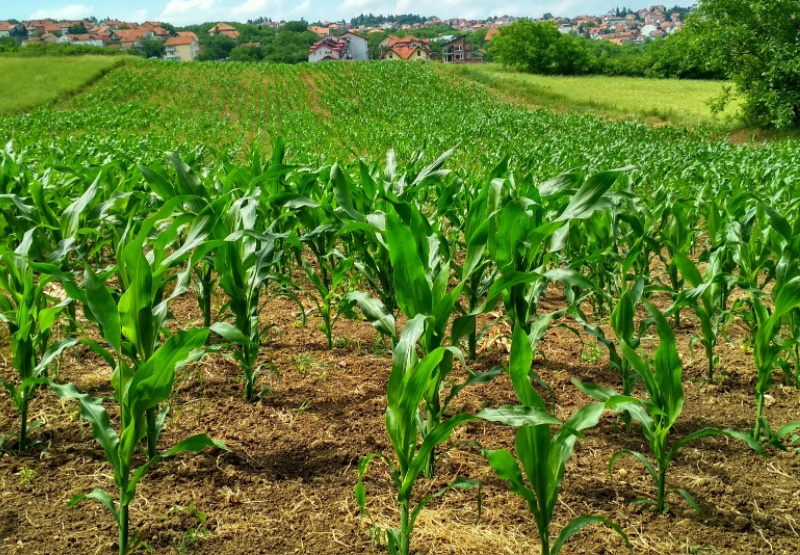
Coarse grain production is projected to increase by 3.4%, reaching a record level. This is mainly due to robust production prospects in regions such as Brazil and the EU, with the US standing out in particular. US corn production is projected to increase by 6.0%, primarily due to expanded planting areas. More favorable weather conditions are also expected to boost corn production in southern Africa.
The FAO has also released its first forecast for global rice production in the coming year, projecting an annual growth rate of 0.9% to reach a record high of 551.5 million tons, primarily attributable to projected production increases in Asia. Driven by strong demand from Africa and increased exports from India and South America, international rice trade is projected to grow by 1.4% in 2025, reaching a record 60.5 million tons. As the most important grain in the human diet, global per capita rice consumption is expected to increase, with growth of up to 2% expected in low-income, food-deficit countries.
The report also updated the FAO’s estimate of total global food import costs for 2024, which is expected to increase by 3.6% from the previous year to nearly US$2.1 trillion. The main reasons include a 29.3% surge in import costs for coffee, tea, cocoa, and spices, an 8.1% increase in import costs for fruits and vegetables, and a 5.6% increase in import costs for meat products. In contrast, import costs for other food commodities have declined, with grain import costs decreasing by 4.6%.
In 2025, trade tensions and policy uncertainties may impact import volumes and prices, thereby affecting the total global food import costs. The impact varies by country and commodity, depending on factors such as import dependency and the availability of substitutes. Adverse weather events and supply chain disruptions may further increase import costs.