

KWS: Pure Breeding Challenges Agri Giants

Amid global agriculture’s severe hurdles—extreme weather from climate change, stricter regulations, volatile raw material prices, and surging demand for sustainable food production driven by population growth—farmers urgently need seeds that ensure stable yields, reduce pesticide reliance, and maintain profitability in volatile environments.
While major agri-biotech giants pursue an integrated “seed-agrochemical-biotechnology” model, Germany’s KWS SAAT SE (KWS) has carved a distinct path. Focused on the genetic foundation of the agricultural value chain, KWS breeds high-performance varieties for corn, sugar beets, cereals, rapeseed, sunflowers, as well as increasingly important soybeans and specialty crops. Rejecting the label of a traditional breeding institution, KWS aims to build a technology-driven ecosystem that combines premium seeds, profound agronomic expertise, and advanced digital tools to help farmers worldwide achieve sustainable yield growth per hectare. This “pure breeding” specialist positioning has enabled KWS to thrive amid competition from integrated giants like Bayer and Corteva.
Core Business: Seed Focus & Platform Expansion
KWS integrates variety R&D, production, and marketing, with its core being a scalable variety innovation platform that unites diverse crops, markets, and technologies. The platform’s strengths lie in three key areas: genetic innovation, deep integration of data and breeding technologies, and region-specific variety portfolio strategies.
Genetic Innovation: Hybrid Focus, Resistance & Adaptability
KWS prioritizes developing hybrids with high yield potential and specific resistance traits. Its long-term R&D investments include:
- High-yield corn, sugar beet, and sunflower varieties optimized for specific climate zones.
- Strong resistance to sugar beet cyst nematodes, viruses, and fungal diseases.
- Stress-tolerant varieties capable of withstanding heatwaves, irregular rainfall, and poor soils.
- Varieties suited for “input-efficient” systems, delivering stable outputs with reduced fertilizer and pesticide use.
Beyond traditional cross-breeding, these traits are developed using modern biotechnologies such as marker-assisted selection and genomics, significantly accelerating R&D cycles and boosting success rates.
Data-Driven Breeding: Digital Transformation of Field Trials
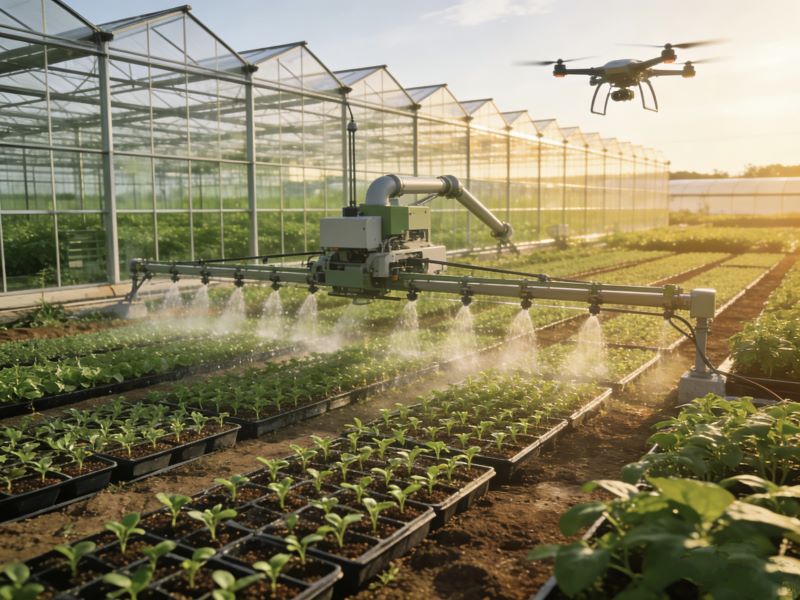
KWS is systematically transforming breeding into a data-intensive business. By integrating high-resolution phenotypic data, drone and satellite imagery, soil sensors, and meteorological information—analyzed via artificial intelligence—the company achieves:
- Earlier and more accurate assessment of variety yield potential and stress resistance.
- Efficient management of global trial networks, ensuring data quality and comparability.
- Targeted breeding of specialized varieties for specific cropping systems, including conservation agriculture, bioenergy production, and organic farming.
The results are striking: shortened R&D cycles from hybrid cross to commercial variety, and refined product portfolio management—covering high-performance hybrids for intensive farming to robust varieties for water-scarce regions, meeting diverse farmer needs.
Regional-global Synergy in Portfolios
Operationally, KWS structures its product portfolios by crop and geographic region (Europe, Americas, Asia, and expanding African markets). Regional breeding programs ensure varieties leverage a unified global technology platform while aligning closely with local conditions, including:
- Local crop growth cycle lengths.
- Regional prevalence of pests and diseases.
- Specific regulatory requirements (e.g., on biotechnology, seed treatment, or plant protection products).
- Downstream industry needs (e.g., for biogas, starch processing, sugar production, or animal feed).
This model positions KWS as a reliable link between the global agricultural industry and diverse local farming practices—from large-scale Brazilian farms to medium-sized European family farms.
Value-Added Services: Strengthening Customer Ties
Beyond supplying premium seeds, KWS enhances customer engagement through professional agronomic consulting, demonstration farm showcases, and digital tools such as online variety selection systems, yield databases, and precision sowing recommendations. These services deepen partnerships with distributors and growers, increasing customer loyalty and platform value.
Competitive Positioning: Distinct Advantages Amid Giants
Facing competition from integrated giants like Bayer (DeKalb brand), Corteva (Pioneer brand), and Syngenta, KWS has adopted a clear differentiation strategy:
VS Bayer CropScience: Bayer excels in bundling seeds with proprietary plant protection products to create a closed-loop ecosystem. KWS, by contrast, focuses on delivering seeds with superior genetic performance while maintaining neutrality in plant protection strategies. This offers growers greater flexibility and mitigates regulatory risks associated with specific active ingredients.
VS Corteva Agriscience: Corteva leverages its global scale and integrated product packages to dominate markets like the Americas. KWS competes with its strong European market foundation, absolute technical leadership in crops like sugar beets, and balanced multi-crop portfolio, driving cross-selling momentum in its core crop segments.
VS Syngenta Seeds & Regional Competitors: KWS builds barriers in technical depth and customer trust through sustained focus on breeding R&D, long-term stable family-owned business strategies, and an operating model independent of agrochemical market fluctuations.

Related Articles

New Zealand’s Kiwifruit Output Expected to Hit Record High
Benefiting from optimized planting varieties and favorable weather conditions, New Zealand’s kiwifruit...

FRUIT LOGISTICA 2026 Innovation Award Winners Announced
On February 6, the 20th edition of FRUIT LOGISTICA concluded in Berlin,...

China’s Car Exports Hit New High in 2025
China’s passenger car exports exceeded 6 million units in 2025, a new...


Europe’s Chemical Industry Mired in Shutdowns and Investment Drought
As a core pillar of Europe’s industrial economy, the chemical industry is...