

US to Gain Ukraine’s Battle-Tested Drone Designs in Strategic Shift

According to a Wall Street Journal report on October 3, 2025, US and Ukrainian negotiators have advanced toward a framework agreement that would provide the Pentagon with access to Kyiv’s combat-tested unmanned systems technology, while Ukraine would receive compensation and potential royalties. The new agreement, backed by Presidents Trump and Zelensky, centers on the transfer of low-cost attack and interceptor drone design and manufacturing technology proven in large-scale confrontations with Russian forces. Officials from both sides are also considering joint production in the United States and measures to ensure that components meet US safety standards. The White House claims the move aims to integrate Ukraine’s wartime innovation into US military force planning, rather than simply providing weapons to frontline allies.
Kyiv is in advanced negotiations to sell “millions” of drones to the United States over a multi-year period, with Washington discussing a package potentially worth tens of billions of dollars. While the two sides have not released a final list of materials, key areas include expendable first-person view loitering munitions, long-range strike drones, and dedicated counter-drone interceptors. Ukraine’s advantage lies not in a single cutting-edge aircraft model but in an ecosystem that integrates 3D-printed structures, modular warheads, hardened digital data links, and rapid software iterations based on daily combat telemetry. For the Pentagon, this translates into a rapidly produced, expendable system of equipment that can be field-upgraded as jammers and defense systems evolve.
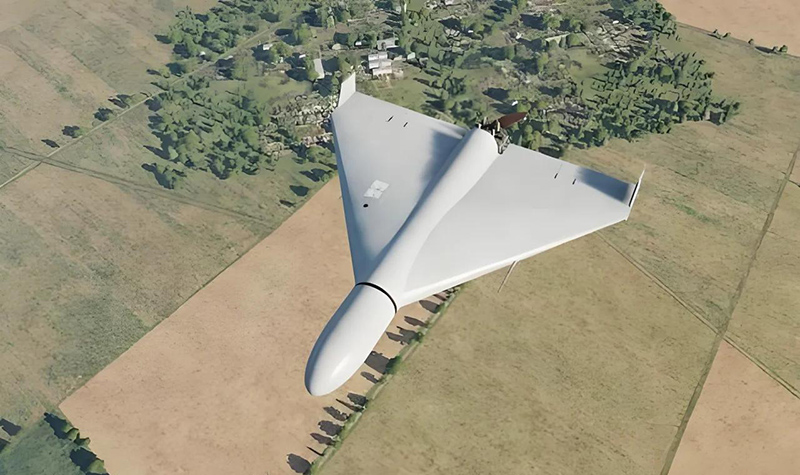
Ukrainian FPV attack drones typically carry a 1-2 kg warhead and are equipped with a stabilized daytime camera and a low-latency video link. Upgraded versions incorporate digital spread spectrum radios, inertial navigation in GPS-denied environments, and pre-set autopilot routes to circumvent Russian electronic warfare blockades. Fixed-wing strike models trade flexibility for range, employing a low-observable form factor, terrain shielding, and small turbojet/electric propulsion. They can strike targets 500 kilometers away with sub-meter satellite guidance and terminal video confirmation. Interceptor drones combine acoustic and RF sensing with high-thrust motors to engage threats like the Shahed drone through ramming or netting, at a significantly lower cost than missiles. The US values not only the aircraft catalog but also its production model: rapid tooling, component commonality, and software-defined tactics, which have shortened Ukraine’s kill chain from days to hours.
US officials have made it clear that component sourcing will be a key hurdle. Using trusted chips, cameras, and RF modules is crucial for US assembly lines and meeting export control standards for designs procured by NATO partners. Options under consideration include licensing Ukrainian intellectual property to US subsidiaries to expedite the Department of Defense certification process while safeguarding Kyiv’s royalty revenue. Another related approach involves integrating with Europe’s “drone wall” initiative, enabling allies who have already learned from Ukraine’s border defense and air policing experience to participate in joint production. This approach also involves multinational political and military considerations.
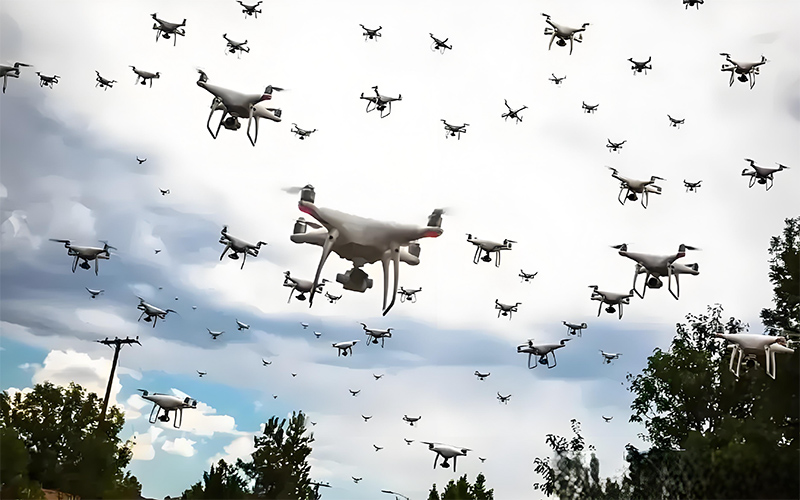
Low-cost FPV drone swarms can eliminate armor, artillery, and air defense systems before manned forces, while long-range drones threaten fuel depots, command nodes, and logistics hubs. Interceptor drones fill a critical layer in base defense; using missiles to strike targets worth $20,000 is inherently unsustainable. If implemented, the agreement would provide US brigade combat teams with expendable ammunition for counter-artillery and anti-armor operations, Marines and expeditionary forces with a mobile defense against one-way attack drones, and joint force commanders with a renewable deep strike capability that would complicate adversary air defense budgets. For Ukraine, continued orders will strengthen its wartime industrial base and lock in Western standards, making its drones compatible with NATO systems.
This is a geostrategic play: recognizing that large-scale wartime innovation now exists in Kyiv’s workshops and testing grounds, and incorporating this experience can accelerate the Pentagon’s transformation into an adaptable force for large-scale attrition warfare in the Indo-Pacific. It also demonstrates to Moscow that Western support is shifting from intermittent aid to deep industrial integration, providing European countries with a model for joint production already being practiced on NATO’s eastern flank. The ultimate effect, according to the Latest News Press, will be to tighten the transatlantic defense technology supply chain around combat-proven designs and prevent authoritarian suppliers from entering the Western drone industry chain.


Related Articles

China May Boost US Soybean Imports Significantly
Feb 4, 2026 – High-level China-US telephone talks on February 4 have...

The United States Officially Withdraws from the World Health Organization
On January 22, 2026, the U.S. government announced that its withdrawal from...

Somalia Ends All Agreements with the UAE
According to the latest reports, the Federal Government of Somalia recently announced...


U.S. Announces Withdrawal from 66 International Organizations
On January 7, U.S. President Donald Trump signed a far-reaching presidential memorandum,...