

U.S. Announces Withdrawal from 66 International Organizations
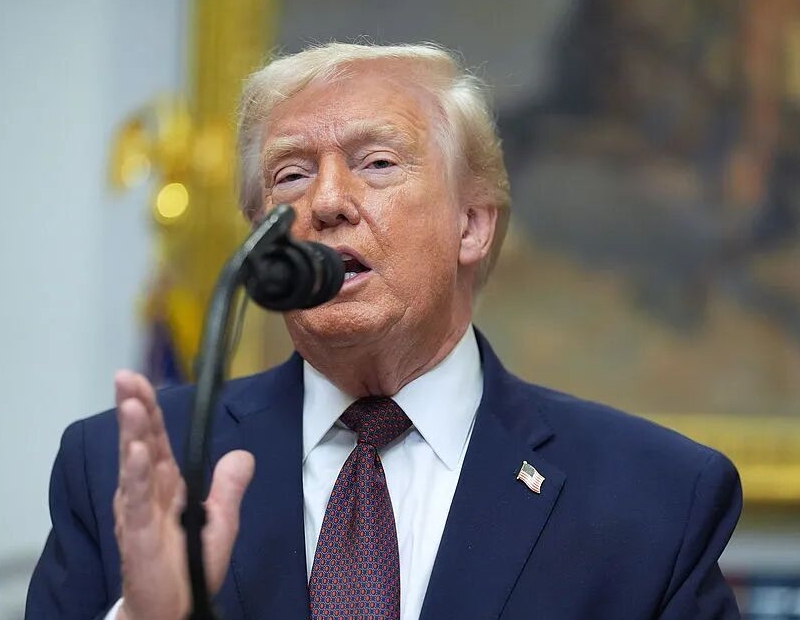
On January 7, U.S. President Donald Trump signed a far-reaching presidential memorandum, formally directing federal administrative agencies to take steps to initiate withdrawing from a total of 66 international organizations. According to the memorandum, these 66 organizations are categorized into 31 United Nations entities and 35 non-UN organizations. All U.S. administrative departments and agencies are required to immediately cease participation in the affairs of these organizations and terminate all financial support for them.
This directive stems from an executive order signed by Trump in February 2025, which directed the State Department to review all intergovernmental international organizations, conventions, and treaties in which the United States participates and provides funding. Based on the review report, President Trump determined that continued membership in these 66 organizations “contradicts U.S. national interests, security, economic prosperity, or sovereignty.”
Broad Scope of Withdrawn Organizations
The withdrawals span multiple critical areas of global governance, with a significant proportion involving climate change and environmental protection bodies. Among the most prominent bodies on the list are the United Nations Framework Convention on Climate Change (UNFCCC), the legal foundation for global climate cooperation, and the Intergovernmental Panel on Climate Change (IPCC), which provides authoritative scientific assessments on climate. Additionally, the United States will withdraw from organizations such as the International Renewable Energy Agency (IRENA).
Several key UN agencies in development, human rights, and social affairs are also on the withdrawal list, including UN Women, the United Nations Population Fund (UNFPA), the United Nations Conference on Trade and Development (UNCTAD), and the United Nations Human Settlements Programme (UN-Habitat). The list further encompasses organizations with significant influence in their respective fields, such as the International Law Commission and the Global Counterterrorism Forum.
U.S. Stance and Rationale
The White House explained in a statement the reasons for this large-scale withdrawal, stating that these organizations have failed to effectively address issues of global importance or failed to consider core U.S. interests while advancing a globalist agenda. U.S. Secretary of State Rubio elaborated further, criticizing that many organizations have been dominated by “so-called progressive ideologies,” whose actions aim to “suppress U.S. sovereignty.” He stated that the withdrawals aim to stop U.S. taxpayers from funding these institutions and redirect resources toward “America First” priorities. This move is seen as a continuation of the Trump administration’s foreign policy. Since 2025, the U.S. has announced successive withdrawals from the World Health Organization, UNESCO, and the UN Human Rights Council.
Initial International Reactions
UN Secretary-General António Guterres expressed regret over the decision through his spokesperson, reiterating that assessed contributions to the UN regular budget are legally binding for all member states. Simon Stiles, the UN’s climate chief, pointed out that withdrawing from the climate convention “will only harm America’s economy, jobs, and standard of living.” Analysts widely agree that this move will further weaken U.S. influence within the international multilateral system and pose challenges to global cooperation on climate change, sustainable development, and other critical areas.


Related Articles

China May Boost US Soybean Imports Significantly
Feb 4, 2026 – High-level China-US telephone talks on February 4 have...

The United States Officially Withdraws from the World Health Organization
On January 22, 2026, the U.S. government announced that its withdrawal from...
Somalia Ends All Agreements with the UAE
According to the latest reports, the Federal Government of Somalia recently announced...

Latest Updates on Venezuela’s Political Situation
On January 3, 2026, Venezuela’s political landscape took a significant turn. In...