

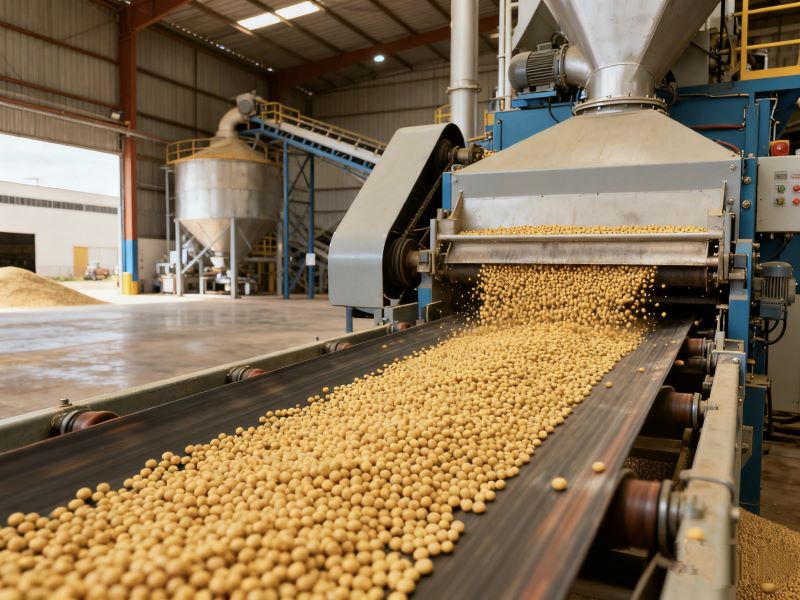
La Niña weather events in parts of October have disrupted planting in Brazil’s key soybean regions, narrowing the 2025/26 crop output forecast despite expectations of a historic high. The shift could reshape global price trends and impact growers’ revenues across the top-producing nation.
Revised Production Projections
Leading agribusiness consultancies have adjusted their yield estimates downward amid planting delays. Pine Agronegócios, a prominent industry analyst, lowered its initial forecast from 178.5 million metric tons to 175 million metric tons—below the 177.6 million metric tons projected by Brazil’s national supply company (Conab) in its latest monthly grain report. Conab’s figure, if confirmed, would represent a 3.6% increase from the 2024/25 harvest of 171.48 million metric tons.
Datagro, another major consultancy, maintained a more optimistic stance but also trimmed its outlook. The firm now anticipates 182.9 million metric tons for 2025/26, down slightly from the previous month’s 183.2 million metric tons estimate. “Goiás and other states face yield declines due to La Niña-induced planting delays,” noted Datagro analyst França Júnior. “Goiás’ productivity is expected to drop from 4,190 kilograms per hectare this year to 3,900 kilograms per hectare next year.”
Planting Progress Lags Behind 2024
As of the 23rd, Conab data revealed Brazil’s soybean planting had covered 78% of the intended area, trailing the 83.3% completion rate recorded during the same period last year. Regional disparities have emerged across the country’s soybean belt.
“Sowing is generally delayed north of Minas Gerais state,” explained Ale Delara, director at Pine Agronegócios. “In Paraná, fieldwork is nearly complete except for eastern areas held back by heavy rains, while parts of western Mato Grosso have required replanting due to drought conditions.”
The Matopiba region—encompassing Maranhão, Tocantins, Piauí and Bahia states—has also grappled with irregular rainfall that slowed early planting activities. Meteorological forecasts indicate new rainfall in December could alleviate conditions in these central-northern areas, supporting crop development in the coming weeks.
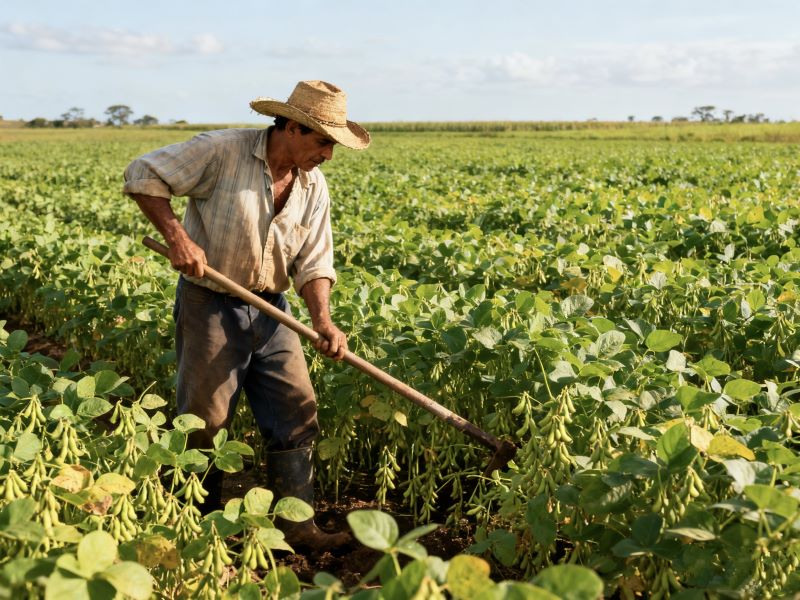
Rio Grande do Sul Emerges as Key Factor
França Júnior highlighted Rio Grande do Sul as a make-or-break region for Brazil’s 2025/26 soybean output. The southern state is projected to rebound from a disastrous 2024/25 season, with average yields expected to jump from 2,250 kilograms per hectare to 3,300 kilograms per hectare.
Last year, Rio Grande do Sul suffered catastrophic floods followed by drought, devastating its soybean crop. “If rainfall remains within normal ranges—even with La Niña—and no other weather disasters hit other states, I firmly believe soybean production can still reach a new high,” the analyst stated.
However, Rural Clima meteorologist Ludmila Camparotto warned of continued challenges in the state. “Rainfall in Rio Grande do Sul will remain irregular in December. This benefits wheat harvests but requires caution for soybean planting,” she advised. Camparotto added that meteorological prospects are more positive elsewhere in the country, with frequent December rains expected across most of central-northern Brazil to support crop growth.
La Niña’s Climate Impact
La Niña, characterized by natural cooling of Pacific Ocean waters, disrupts global climate patterns. In Brazil, the phenomenon typically reduces rainfall in the southern regions while increasing humidity in the north and northeast—creating divergent growing conditions across the country’s agricultural heartlands.
The interplay of regional weather patterns and planting progress will continue to shape Brazil’s soybean output trajectory in the coming months. With the world relying on Brazil’s soybean exports, fluctuations in the 2025/26 harvest could have far-reaching implications for global food markets and supply chains. Industry stakeholders are closely monitoring weather developments and planting updates as the growing season progresses.


