

UK Accelerates Electric Vehicle Rollout
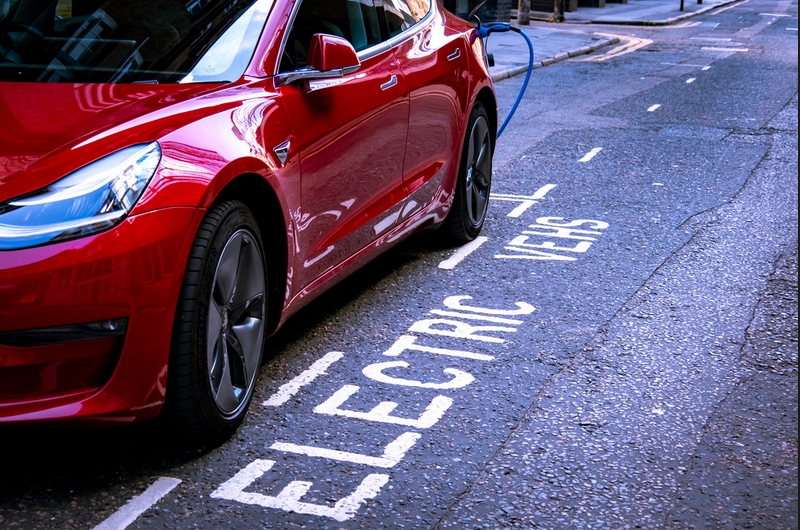
According to the latest data from the Society of Motor Manufacturers and Traders (SMMT), over 473,000 pure electric vehicles were registered in the UK in 2025, marking a year-on-year increase of nearly 25% and accounting for approximately 23% of all new vehicle registrations. This growth rate indicates that electric vehicles are increasingly becoming a primary driver of expansion within the UK automotive market.
Fiscal Incentives
To encourage consumers to purchase electric vehicles, the UK government launched a £650 million electric vehicle subsidy program in July 2025, followed by an additional £1.3 billion in December of the same year to expand subsidy coverage. The subsidy is implemented through a tiered system, with a maximum subsidy of £3,750 per vehicle and a price cap of £37,000. This design lowers the purchase threshold for consumers while also encouraging automakers to accelerate the release of mid-to-low-priced electric models. According to current statistics, the policy has prompted approximately 35,000 UK vehicle owners to switch to electric vehicles. The UK Department for Transport stated it will further promote electric vehicle adoption through measures such as extending the subsidy period and accelerating the development of public charging infrastructure.
Charging Infrastructure Development
From an industrial support perspective, the sophistication of charging infrastructure directly impacts the sustainable expansion of the electric vehicle market. The UK has currently established approximately 87,000 charging points, though disparities remain in terms of user convenience and regional coverage. To address this, the government plans to invest £200 million in expanding and upgrading public and street-level charging facilities, with a focus on improving charging conditions for users without private parking spaces. Additionally, the UK previously launched a £63 million dedicated investment program for home charging retrofits, public service fleet charging, and commercial vehicle charging network development. These measures help alleviate range anxiety and create growth opportunities for enterprises across the electric vehicle supply chain.
Industry Outlook
UK Transport Secretary Alexander emphasized that subsidy policies represent not only an investment in environmental goals but also a catalyst for high-quality manufacturing job growth. Driven by regulations such as the Zero-Emission Vehicle Directive, the market’s growth trajectory is largely established. Forecasts indicate electric vehicle sales could reach 580,000 units by 2026, with market share rising to 29%. However, underlying concerns remain significant. Market feedback indicates persistent consumer worries about charging convenience, range performance, battery longevity, and long-term maintenance costs, with issues like “range anxiety” yet to be fully resolved. The UK’s EV development is transitioning from policy-driven to market-led growth. Its impact on the automotive industry will increasingly manifest in the coming years through product portfolio restructuring and supply chain transformation.


Related Articles

China’s Car Exports Hit New High in 2025
China’s passenger car exports exceeded 6 million units in 2025, a new...

Europe’s Chemical Industry Mired in Shutdowns and Investment Drought
As a core pillar of Europe’s industrial economy, the chemical industry is...

ANTA to outfit Greece for 2026 Winter Olympics
On February 2, 2026, ANTA officially announced its role as a strategic...


Pop Mart Valentine’s Blind Box Hidden Pieces Up Nearly 7x
On January 22, Pop Mart officially released its 2026 Valentine’s Day limited...