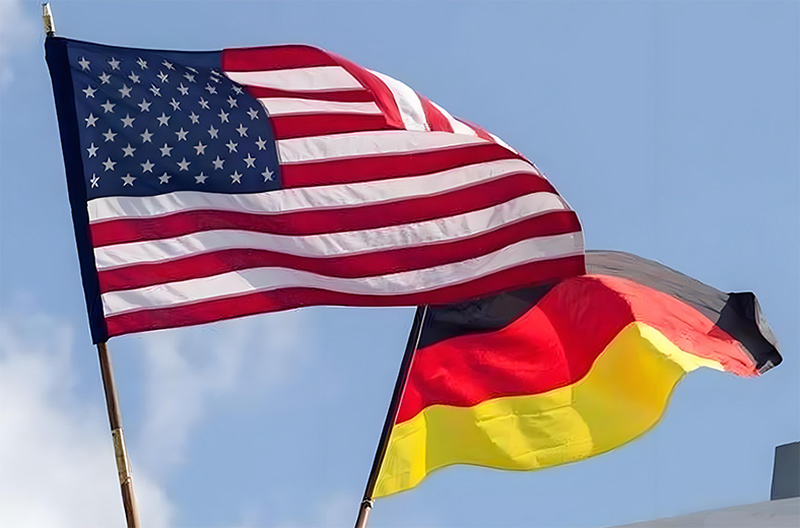
Exports Decline for the Fourth Consecutive Month
Data released on September 8th showed that Germany’s exports unexpectedly declined in July due to a sharp drop in demand caused by the US’s political decision to impose tariffs on German products, although industrial output rose.
Data from the Federal Statistical Office showed that exports from Europe’s largest economy fell 0.6% in July from the previous month, missing expectations for a 0.1% increase.
Notably, German exports to the US fell 7.9% in July from the previous month to €11.1 billion (US$13 billion), marking the fourth consecutive month of decline. The latest trends suggest that the export decline, impacted by tariffs, is likely to continue.
Looking forward to 2024, the US will be Germany’s largest trading partner, with bilateral goods trade reaching €253 billion (approximately US$297 billion).
In July of this year, the United States and the European Union reached an agreement, agreeing to levy 15% tariffs on some goods on each other. The EU also pledged $600 billion in investments in the United States over the next few years. This political agreement averted a larger trade war between the two allies.
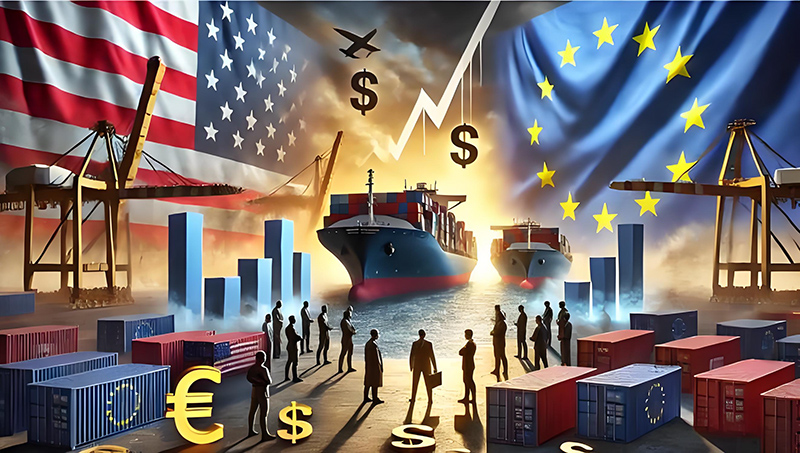
Although the United States has lowered its tariffs on the EU to 15% from the previously threatened 30%, this remains significantly higher than the 2.5% level at the end of last year. This means that Germany’s export-oriented economy is expected to remain severely impacted by US import tariffs.
The report also showed that German exports to other EU countries grew by 2.5% that month, while exports to countries outside the European Union fell by 4.5%.
Ralph Solveen, senior economist at Commerzbank, said Germany’s exports to other eurozone countries are expected to increase, meaning overall exports won’t be as significant a drag on the economy as some had feared.
Surprises about the Industry
The release of the export data came amid some optimism from German industrial output data.
Germany’s industrial production grew 1.3% in July compared to June, exceeding analysts’ forecasts for a 1.0% increase. This growth was primarily driven by a recovery in high-end manufacturing sectors, such as automotive and machinery, driven by the latest technology.
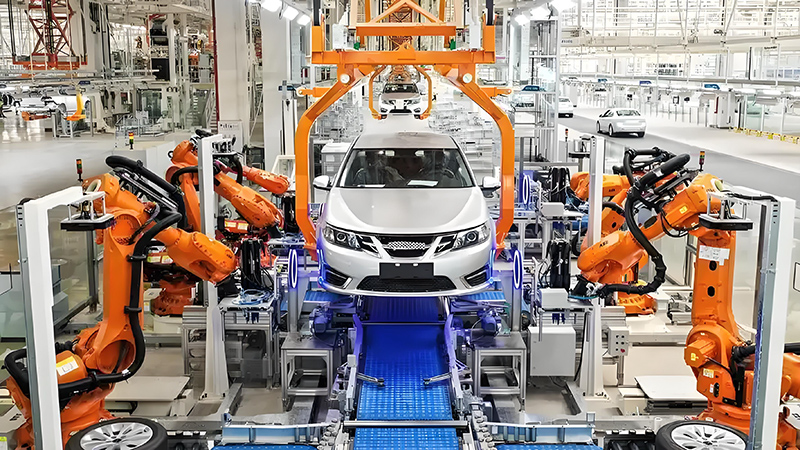
Production in the May-July period was 0.1% lower than the previous three months, primarily due to a downward revision to June’s output of 0.1% instead of the 1.9% initially reported.
In response, Carsten Brzeski, head of global macro at ING, said, “Hopes remain that Germany’s industrial system can at least experience a cyclical recovery.”
Separate data showed that German industrial orders unexpectedly fell for the third consecutive month, dropping 2.9% in July. However, Commerzbank expects production to rebound as European and other central banks cut interest rates.
Solveen, an economist at the bank, said that the German economy will benefit from the new government’s expansionary fiscal policy at least until next year. The politics behind this decision are aimed at stimulating economic growth through increased spending. “Even if the August data may be slightly weaker, this will not weaken our expectations, because the decline in July data is likely due to the relatively late holiday period in the automotive industry.