

Venezuela’s Interim President Reaffirms Oil and Gas Development Policy

The oil and gas industry has long been a core pillar of Venezuela’s economy and a major source of its foreign trade revenue. The country possesses abundant oil and gas reserves, but in recent years, the sector has faced persistent challenges due to political instability, insufficient infrastructure investment, and declining production capacity. Against the backdrop of significant shifts in both domestic and international political landscapes, the government’s policy direction for the oil and gas sector has drawn intense attention from around the world.
Latest Statements
On January 18, Venezuela’s Acting President Rodríguez issued a statement via social media, explicitly affirming the nation’s commitment to advancing its oil and gas sector. She underscored the industry’s foundational role in the national economy and pledged sustained government policy support for hydrocarbon resource development. This declaration aimed to stabilize industry expectations and convey clear policy signals to domestic and international investors. Subsequently, on January 25, during an address to industry professionals in Anzoátegui State in eastern Venezuela, Rodríguez further emphasized that the nation should not shy away from energy cooperation with countries including the United States while advancing its energy sector. She also expressed support for attracting foreign investment in the oil and gas sector through reforms to the relevant legal framework.
Policy Amid Internal and External Factors
Rodríguez’s energy policy has been formulated against the backdrop of complex shifts in Venezuela’s political landscape and international relations. Earlier this year, the US launched a military operation to arrest former President Maduro and bring him to trial in the United States. This move has drawn widespread attention from the international community and exerted a direct impact on Venezuela’s energy supply and oil tanker transportation.
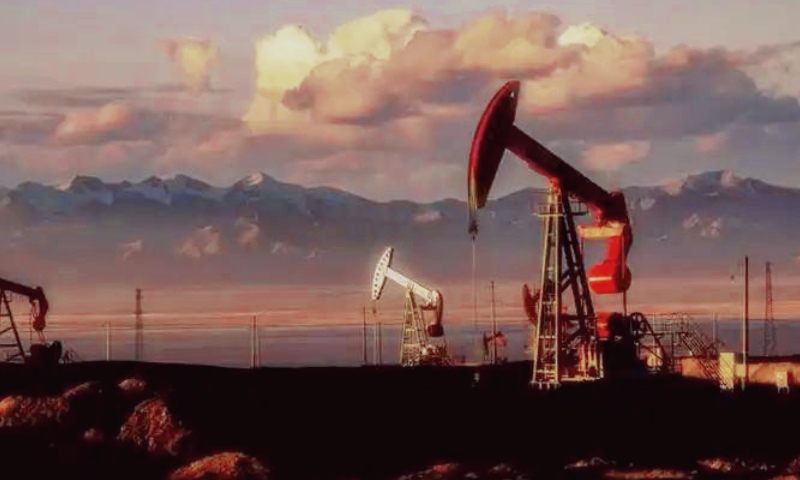
Years of underinvestment, mismanagement, and the cumulative effects of U.S. sanctions have left Venezuela’s petroleum infrastructure severely deteriorated. Numerous oil fields urgently require substantial capital injections and advanced technological support to complete facility maintenance and achieve production capacity upgrades. While the new legislation offers generous fiscal incentives, the key factors influencing investment decisions for international oil giants extend far beyond these financial terms.
Challenges and Uncertainties
Amid ongoing shifts in the international energy market and the influence of geopolitical factors, Venezuela’s oil and gas industry continues to face significant uncertainty regarding its future development. On one hand, the legal reforms and international cooperation initiatives proposed by Rodríguez may present opportunities to attract foreign investment and boost production capacity. On the other hand, factors such as the domestic political landscape, foreign intervention efforts, and international capital’s risk assessments will all impact the implementation of these policies and the actual effectiveness of foreign participation.
The continued development of the oil and gas sector remains a core component of the Venezuelan government’s current economic recovery strategy. While policy objectives are clear, whether they can effectively translate into sustained, long-term growth momentum remains to be seen.


Related Articles

Local Moves for Clean Energy’s Spatial Impacts
January 26 marks the International Day of Clean Energy, an initiative raising...

US $12 Billion Treasury Plan Struggles to Break the Deadlock in Critical Minerals
On February 3, 2026, US President Donald Trump announced the launch of...

IEA Latest Forecast: Renewables and Nuclear to Supply Half of Global Electricity by 2030
According to the latest report released by the International Energy Agency (IEA),...


Czech Republic Shuts Down Its Last Hard Coal Mine
In January 2026, the Czech Republic officially closed its last deep-well hard...