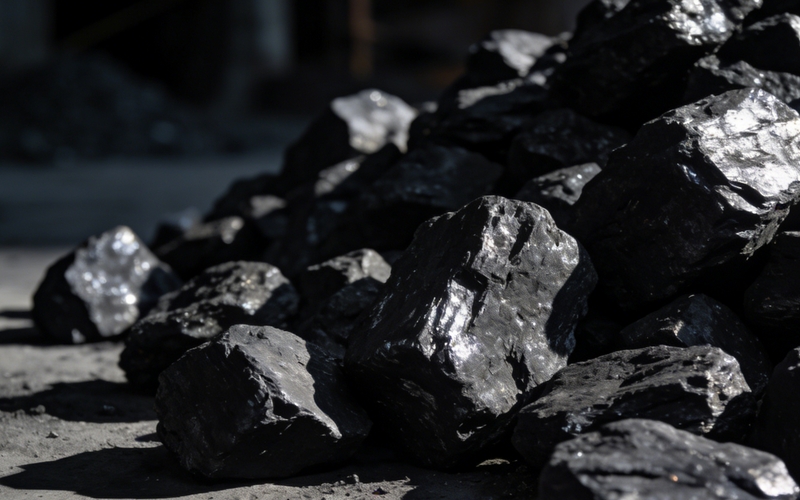
In January 2026, the Czech Republic officially closed its last deep-well hard coal mine, marking the end of approximately 250 years of hard coal mining in the country.
The closed mine is located in the Ostrava region of northeastern Czech Republic. As the youngest coal mine in the area, it commenced operations in December 1968 and long served as a crucial source of raw materials for the steel and energy industries. It achieved a record annual output of 2.87 million tons in 2012, and by the end of 2025, its cumulative coal production had reached nearly 124.3 million tons. However, in recent years, rising extraction costs, complex mining conditions, and intensifying competition in the international coal market have steadily eroded the mine’s economic viability. Both the mining company and the government stated that continued operation had become unsustainable under the current market and policy environment.
Reasons for the Closure
As mining depths progressively increased, extraction difficulties and safety costs continued to rise, while frequent fluctuations in international hard coal prices gradually eroded the mine’s commercial competitiveness. Mining operators repeatedly emphasized that even during periods of temporary energy price hikes, continued investment to sustain production could not achieve long-term sustainable returns. On the demand side, domestic hard coal consumption had already declined significantly, providing a practical basis for the shutdown decision.
Furthermore, as an EU member state, the Czech Republic must adhere to the EU’s climate and energy framework, progressively reducing reliance on high-carbon energy sources. The 2025 shutdown of the nation’s last hard coal-fired power plant directly undermines structural domestic demand for hard coal. Against this backdrop, maintaining hard coal mining operations no longer aligns with the country’s energy transition objectives. The Czech government emphasizes that this closure constitutes an integral part of its energy structure adjustment.
Impact
The mine closure has affected approximately several hundred miners. Some personnel will continue to participate in mine sealing and environmental restoration efforts, while the remainder will require retraining to transition to new careers. The government has pledged financial compensation and employment support to mitigate the social pressures arising from the industry’s exit. Following the Czech Republic’s withdrawal, Poland will become the only EU country still mining hard coal. Data indicates Poland’s annual hard coal production stands at approximately 48 million tons, accounting for 98% of the EU’s total output.