

Libya’s 2025 Oil Output: 500 Million Barrels, A 10-Year High
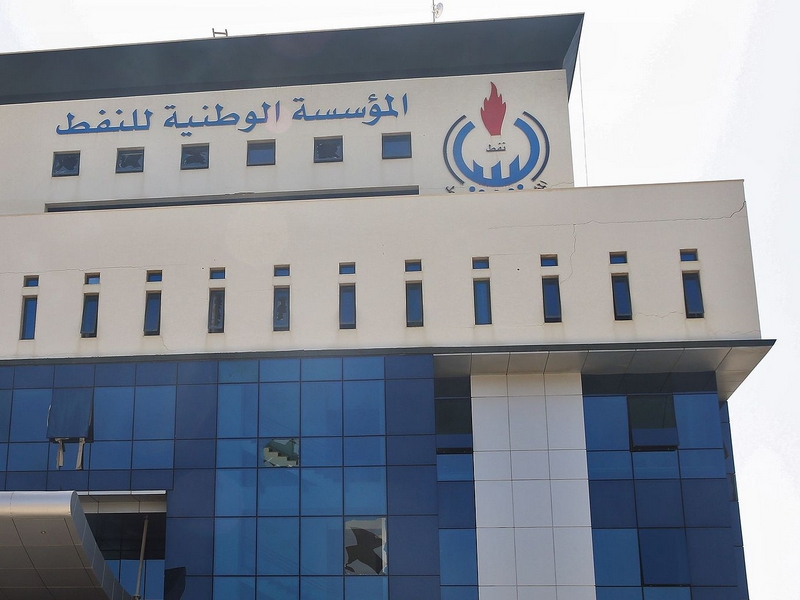
On January 1, Libya’s National Oil Corporation (NOC) released an official report stating that total crude oil production reached 501 million barrels in 2025, with an average daily output of approximately 1.374 million barrels. Concurrently, oil revenues grew by 15% to $21.9 billion, marking the highest level in a decade. This represents the highest annual output since the outbreak of civil war in 2011, marking the first time the nation’s oil industry has recovered to near pre-war levels after over a decade of severe disruption.
Production Growth Drivers
This production milestone resulted from multiple factors converging. Infrastructure rehabilitation served as the core enabler, significantly enhancing operational stability at Libya’s key 2025 oil fields such as Waha and Sarir. Continued security improvements proved equally indispensable, with export terminals previously subject to frequent militia blockades—such as the port of Ras Lanuf—maintaining extended periods of normal operation.
A deeper driver stems from technological upgrades to mature fields. The National Oil Corporation implemented systematic water injection and intensive drilling programs for aging fields, while launching over 40 marginal field development projects through international tenders. Each project is projected to add 5,000 to 20,000 barrels per day. Concurrently, relatively high international oil prices have provided the economic viability for these investments.
Impact and Concerns
This production increase holds significant economic importance. The $21.9 billion in oil revenue has effectively alleviated fiscal pressures, providing financial support for public service guarantees and livelihood improvements. It has also solidified Libya’s position as an OPEC member within the global energy supply system, playing a positive role in balancing international energy supply and demand. Notably, Libya launched its first large-scale oil and gas block tender since 2011 in 2025, attracting participation from 37 international energy companies, including five Chinese firms. The renewed interest from major international oil giants injects momentum into the industry’s long-term development.
However, the road to recovery remains fraught with concerns. The International Monetary Fund (IMF) points out that Libya’s prolonged political fragmentation has hindered the implementation of a unified budget, with excessive public spending continuing to exert pressure on both fiscal and current account deficits. Furthermore, the threat posed by armed militias has not been fully eliminated. Risks of production disruptions triggered by armed conflicts and contractual disputes, which have occurred previously, remain key variables constraining the industry’s sustained recovery.
Libya’s 2025 production milestone demonstrates the immense economic potential of its underground resources. For Libya, these 501 million barrels of crude oil represent the indispensable lifeblood for national reconstruction. Yet history has repeatedly shown that without a lasting political solution and unified national authority, oil wealth is more likely to become a target of contention than a cornerstone of development. Whether Libya’s energy sector can break free from the cycle of “turmoil-shutdown-recovery” in the future hinges not only on sustained political stability but also on continuous investment and international cooperation.


Related Articles

Local Moves for Clean Energy’s Spatial Impacts
January 26 marks the International Day of Clean Energy, an initiative raising...

US $12 Billion Treasury Plan Struggles to Break the Deadlock in Critical Minerals
On February 3, 2026, US President Donald Trump announced the launch of...

IEA Latest Forecast: Renewables and Nuclear to Supply Half of Global Electricity by 2030
According to the latest report released by the International Energy Agency (IEA),...


Czech Republic Shuts Down Its Last Hard Coal Mine
In January 2026, the Czech Republic officially closed its last deep-well hard...