

Efficiency Boomerang: Fired US Staff Return with Pay
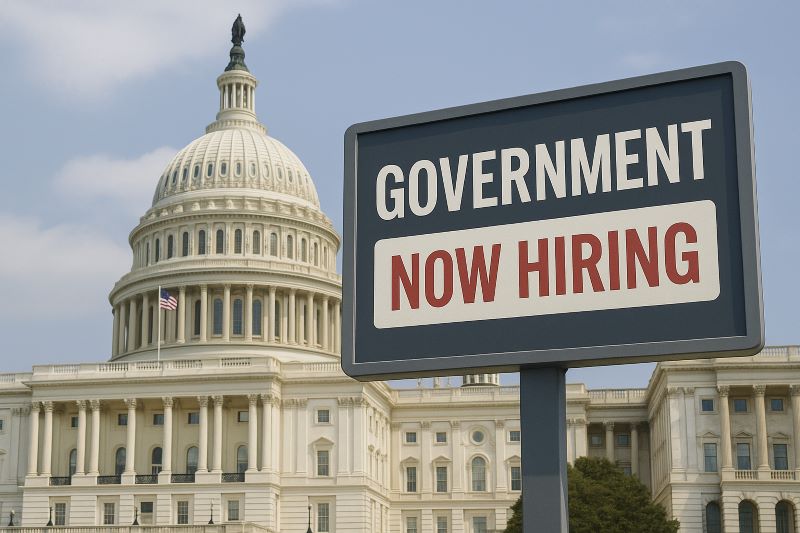
Recently, an internal memo disclosed by US media has drawn widespread attention. It is learned that the General Services Administration (GSA) of the United States has sent notices to some federal employees who were previously laid off in the streamlining initiative led by the “Department of Government Efficiency”, asking them to decide by October 6 whether to accept their return to work. This latest news has sparked intense discussions in American society, with many people sarcastically calling this personnel “boomerang” the most expensive “paid vacation” in history.
The “strange combination” of buyout and re-employment
According to a report by the Associated Press on September 24th, at the beginning of this year, the US “Department of Government Efficiency” promoted a series of layoffs and “buyout” plans to cut fiscal spending and improve administrative efficiency. At that time, employees who agreed to accept the buyout could receive about eight months ‘salary compensation and leave their positions after receiving the compensation. Thousands of federal employees thus ended their careers early or were forced to leave their jobs.
However, the latest personnel arrangements have made this policy seem confusing. The General Services Administration had to recall some of its staff due to a shortage of personnel and the stagnation of key business operations. If these laid-off employees agree to resume their duties, it means that they have enjoyed both buyout compensation and the opportunity to return to their original positions over the past seven months, which is equivalent to continuing their original work after a period of “paid leave”.
The government’s “efficiency” has fallen into a maelstrom of public opinion
This policy reversal quickly sparked public controversy. Critics point out that the US government’s repeated operation of “laying off staff first and then rehiring” in a short period of time not only weakens the credibility of the policy but also brings additional burdens to the fiscal budget. Many taxpayers are worried that this kind of management chaos will eventually turn into a waste of public funds.
On social media, “Efficiency Department Boomerang” has become a hot topic. Some people quipped, “They took the buyout money and now they’re back at work. Isn’t this a luxurious vacation paid for by taxpayers?” Some netizens also pointed out directly: “If this is what is called efficiency reform, then the name of the Efficiency Department is simply ironic.”
The complex mentality of employees
For employees who have been bought out and may be rehired, their mindset is equally complex. A former employee who preferred to remain anonymous told the media, “We left in accordance with the government’s plan to accept compensation, but now we are asked to come back.” Although it is indeed an unexpected benefit for individuals, from a systemic perspective, this arrangement is too absurd.
Some employees are also worried that if they refuse to be rehired, it might affect their future employment opportunities in the federal system. Accepting a rehire, although it means restoring income, also means facing the unresolved work pressure from before once again.
Expert: Efficiency reform has become an “efficiency paradox”
Public administration experts generally believe that this phenomenon highlights the short-sightedness and contradictions of the US government in human resource management. A researcher from the Brookings Institution in the United States commented: “The original intention of efficiency reform is good, but it lacks long-term planning and systematic assessment.” As a result, instead of truly reducing costs, new waste was created.
Experts point out that this combination of “buyout + rehiring” not only puts pressure on the finances but also dampens the morale of the current employees. When people see the arbitrariness of the system, they will lose trust in the government’s commitments. This is extremely unfavorable for future administrative reforms.
Background: Financial pressure and political considerations
The background of the establishment of the “Department of Government Efficiency” is a compromise move by the US government under the pressure of fiscal deficits and political pressure. To demonstrate its stance of “cutting costs and enhancing efficiency” to the public, the department has implemented a series of measures that yield quick results. However, experts believe that these measures are more like political “image projects” rather than genuine institutional innovations.
In fact, the United States has frequently fallen into shutdown crises in recent years due to fiscal budget disputes. The intense competition within the Congress in areas such as military expenditure, infrastructure investment, and social welfare has made the “Ministry of Efficiency” a tool to showcase a reformist stance. However, in terms of actual effects, its policies often remain superficial and are difficult to sustain.
Double satire both at home and abroad
International media have also paid attention to this phenomenon. The Financial Times of the UK commented that the so-called “efficiency reform” of the US has become a “joke of policy repetition” in practice, not only wasting funds but also damaging its international image. Some media outlets in Russia and China reported on this matter in a sarcastic tone, claiming that it was an inevitable outcome of the rigidity of the US system and political games.
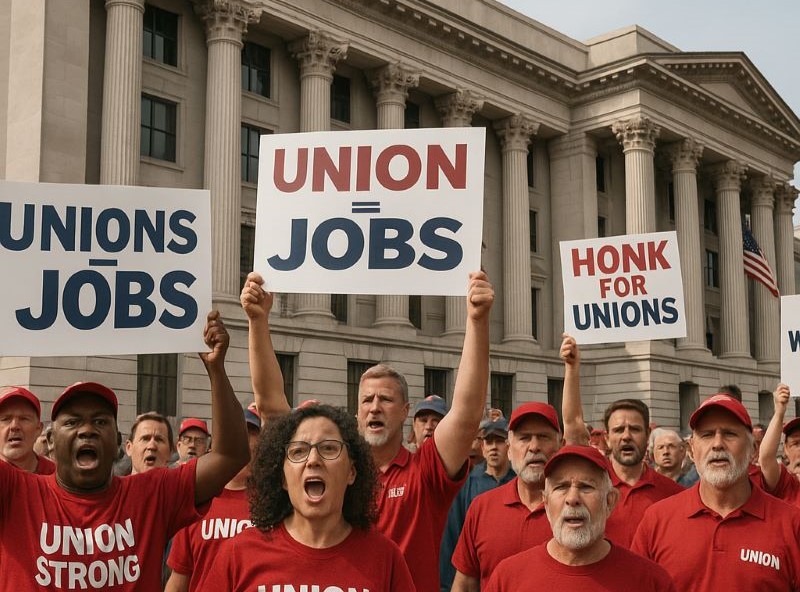
In China, taxpayer rights groups and trade unions have also spoken out, demanding that Congress investigate the flow of funds behind layoffs and rehiring, and calling for the establishment of a more transparent administrative management mechanism.
Outlook: Where is the reform headed?
In the face of controversy, some members of the US Congress have indicated that they will demand that the “Department of Government Efficiency” and the General Services Administration submit detailed reports explaining the use of funds for the policies of layoffs, buyouts, and rehiring, and accept external audits. Meanwhile, some think tanks have called on the government to establish a long-term supervision mechanism to prevent the recurrence of similar “boomerang policies”.
Industry insiders believe that this turmoil might become a new opportunity for the reform of public administration in the United States. If we can draw lessons and promote the scientific and transparent management of human resources, perhaps we can truly achieve the goal of “efficiency” in the future. However, if the reform remains at the level of political shows and short-term operations, the US government is likely to continue to fall into the “efficiency paradox”.
Conclusion
From layoffs and buyouts to returning to work, the operations of the “Efficiency Department” have drawn widespread ridicule and criticism from society. This is not only a repetition of personnel policies, but also reflects the predicament of the US government between fiscal pressure and administrative reform. For ordinary people, what they care about more is whether the tax funds are used reasonably and whether the government services can be truly stable and efficient. How to strike a balance between cost savings and service security might be the real test of whether the “efficiency reform” in the United States can hold water.


Related Articles

Trump Issues Ultimatum as Ukraine Weighs Peace Plan
A U.S.-backed 28-point plan to end the Russia-Ukraine conflict has emerged as...

After Myanmar Raid, 20,000 Cyber Scammers Scatter and Regroup
Last month, the Myanmar military’s raids on notorious telecom fraud hubs like...

APEC Focuses on Demographic Change for the First Time
In August 2025, at the APEC dialogue held in Incheon, South Korea,...


Over 1,000 Artifacts Stolen in Massive Heist at Oakland Museum
In October 2025, US media disclosed that the Oakland Museum of California...
Leave a comment