

Argentina Makes First Commercial Wheat Shipment to China
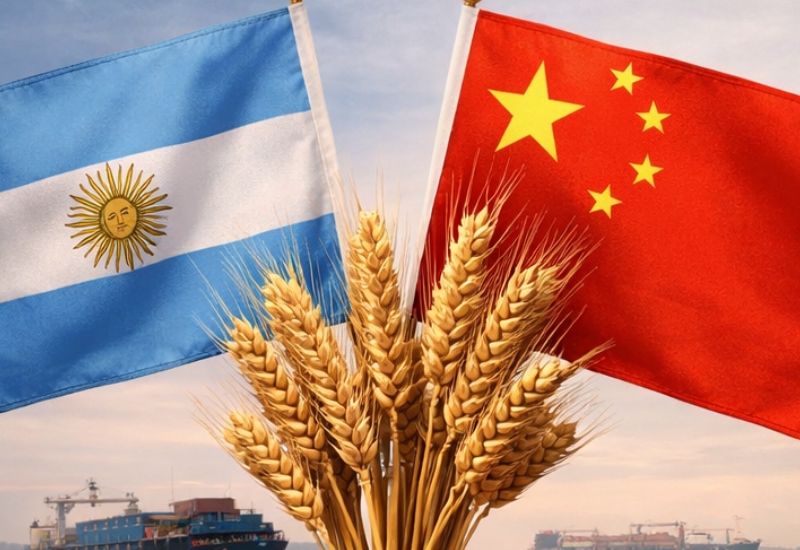
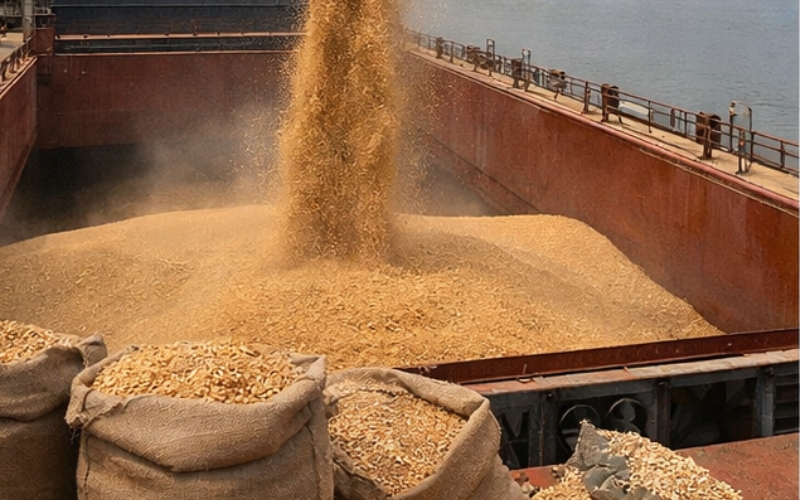
According to the latest reports, Argentina has recently completed its first commercial wheat export shipment to China. A bulk carrier loaded with approximately 65,000 metric tons of Argentine wheat departed from the Port of Timbues in Santa Fe Province, bound for Chinese ports. This marks Argentina’s inaugural commercial wheat delivery to the Chinese market, signifying a substantive breakthrough in grain trade between the two nations. Previously, despite being one of the world’s major wheat producers and exporters, Argentina’s agricultural exports to China had long been concentrated on soybeans, corn, and their processed products. Wheat had consistently failed to enter China’s import system. This shipment is viewed as a significant milestone for Argentine wheat officially entering the Chinese market.
First Export Enabled by Market Access
This export was realized based on China’s formal approval of Argentina’s wheat import eligibility in 2024. The transaction was completed within existing quarantine and food safety frameworks, with enterprises advancing it through market-oriented approaches. Argentina has recently adjusted its agricultural export policies, including reducing export taxes on certain grains to enhance the price competitiveness of its agricultural products in international markets. The reduction in export taxes on wheat and barley is seen as contributing to improved export profit margins. Meanwhile, industry institutions maintain a relatively stable outlook for Argentina’s wheat production in the 2025/26 season, providing tangible supply conditions for expanded exports. Industry insiders note that the improved policy environment and relatively ample supply conditions were key factors enabling the realization of this first shipment.
High Symbolism, Limited Impact
According to market analysis, it is widely believed that the initial batch of exports to China remains limited in scale, with relatively modest direct impact on the global wheat trade landscape. China’s overall wheat import demand continues to be influenced by domestic production, inventory levels, and policy regulation. Argentina’s future market share in China will depend on price competitiveness, quality consistency, logistics costs, and the establishment of long-term commercial contracts. However, from a structural perspective, this export holds certain demonstrative significance. It reflects China’s ongoing efforts to diversify grain sources and highlights Argentina’s proactive expansion into Asian markets beyond its traditional export destinations. Industry observers note that whether stable trade flows will materialize ultimately depends on subsequent market performance and the deepening of bilateral commercial cooperation.


Related Articles

New Zealand’s Kiwifruit Output Expected to Hit Record High
Benefiting from optimized planting varieties and favorable weather conditions, New Zealand’s kiwifruit...

FRUIT LOGISTICA 2026 Innovation Award Winners Announced
On February 6, the 20th edition of FRUIT LOGISTICA concluded in Berlin,...

Carbon Robotics Launches First Large Plant Model
Carbon Robotics, a U.S.-based agritech firm focused on agricultural artificial intelligence and...


Brazil’s Corn Industry Hit Hard by Leafhopper Infestation
A new research conducted in Brazil has revealed staggering economic losses to...