


A new research conducted in Brazil has revealed staggering economic losses to the country’s corn industry caused by the corn leafhopper and the diseases it transmits over the past four planting seasons. From the 2020/21 to 2023/24 growing seasons, the pest has led to a total economic loss of $25.8 billion, driving a 22.7% drop in the nation’s corn output and an average annual production reduction of 31.8 million metric tons. The study was jointly completed by Brazil’s Agricultural Federation and the Brazilian Agricultural Research Corporation, based on technical surveys in representative cities across 34 major corn-producing regions of the country.
Widespread Impact and Rising Control Costs
The latest survey data shows that 79.4% of the surveyed cities reported significant productivity losses due to corn leafhopper infestations. Beyond the losses in output and farmers’ income, the research also highlights a sharp surge in pest control costs. During the 2020/21-2023/24 period, the average cost of insecticides used to combat leafhoppers rose by 19%, surpassing $9 per hectare.
Untreatable Diseases Force Preventive Measures
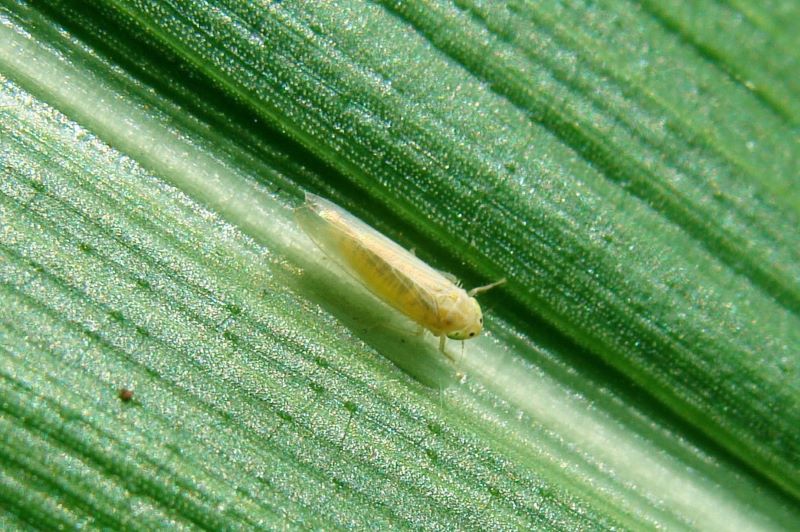
The corn stunting complex, the primary disease linked to leafhoppers, is caused by microorganisms transmitted by the pest. To date, there is no known cure for this disease. In areas with severe disease outbreaks and where susceptible hybrid corn varieties are planted, the infestation can lead to a 100% yield loss. Technical advisors from Brazil’s Agricultural Federation note that the corn leafhopper has evolved from a localized pest issue into a systemic threat to Brazil’s national corn production, with the resulting losses directly undermining farmers’ income, production stability and the country’s industrial competitiveness in the global market.
Global Corn Trade at Potential Risk
As the world’s third-largest corn producer and a key exporter, Brazil’s corn industry turbulence carries far-reaching implications. The research emphasizes that curbing losses from corn leafhoppers is critical to safeguarding production stability, farmers’ earnings and the security of domestic and international corn supply chains. The $25.8 billion loss over four years has exceeded Brazil’s annual sales of plant protection products for all crops, underscoring the massive economic impact of a single pest and disease complex. The average annual production loss of 31.8 million metric tons accounts for about 25% of Brazil’s usual corn export volume, and a further escalation of the infestation could potentially disrupt the global flow of corn trade.
Favorable Factors Fuel Pest Proliferation
The worsening leafhopper infestation in Brazil over the past decade is attributed to agricultural practices and climatic conditions. Expanded corn cultivation areas, staggered sowing times and inadequate control of volunteer corn have created a “green bridge”, allowing leafhoppers to survive and reproduce year-round and exacerbating the harm of corn stunting complex. Meanwhile, mild winter weather in major corn-producing regions has reduced the natural suppression of leafhopper populations by frost, further facilitating the pest’s spread across the country.
Pesticide Reliance Meets Resistance Challenges
At present, the primary method to control corn leafhoppers is applying insecticides before adult pests transmit pathogens to young corn seedlings. Yet the leafhopper’s high mobility, rapid reproductive rate and tendency to develop pesticide resistance have made control efforts increasingly challenging. Once corn plants are infected by the microorganisms, the damage is irreversible, making the prevention and control of the vector insect the only effective strategy.
The 19% increase in control costs reflects both a higher frequency of pesticide applications and the shift to more expensive insecticides as older products become ineffective due to pest resistance. Major corn-producing regions in Brazil now recommend 4 to 6 pesticide applications during the critical growth stages of corn crops, a control intensity unprecedented in the country’s corn production history.


