

AI Toys: Next Pop Mart?
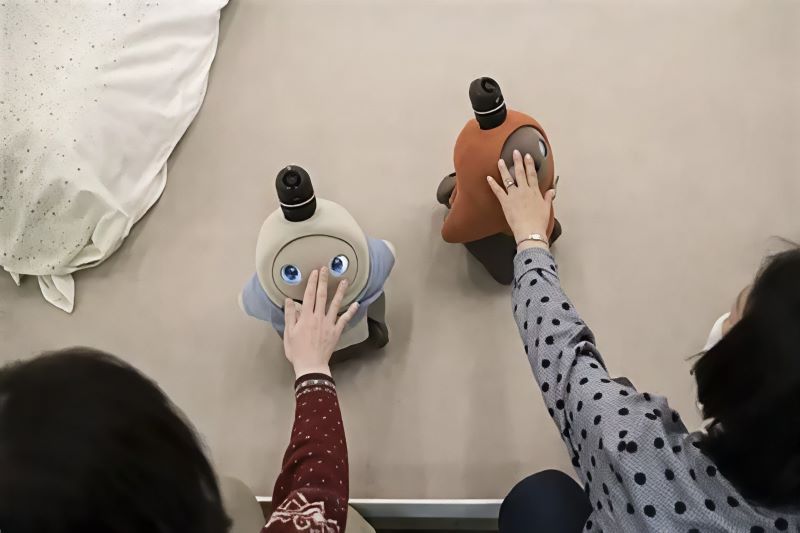
AI toys have emerged as a trending item for family entertainment in 2025, with enhanced capabilities compared to previous versions. During the National Day holiday, observations showed that children’s toy collections now include AI-integrated products that can interact, tell bedtime stories, and retain memory, moving beyond basic audio functions.
IP Integration Drives AI Toy Growth
The AI toy sector gained attention last year but faced criticism for relying on external AI attachments with limited intelligence. In 2025, the entry of well-known IPs has reshaped the market.
Yueran Innovation, a 4-year-old startup, recently secured 200 million yuan in funding, a milestone for the sector. The company focuses on combining AI toys with IPs like Ultraman, Peppa Pig, and Nai Long, aiming to become the “Pop Mart of the AI era.”
Other industry players have also shifted to IP-centric strategies, leading to increased partnership inquiries. Overseas dollar fund investors noted that IP-equipped AI toys benefit from lower customer acquisition costs and faster market acceptance.
AI toys broadly cover two categories: AI pets and AI toys. AI pets target adults, emphasizing emotional companionship through simulated interactions and sound effects. AI toys, with wider appeal to both children and adults, offer voice dialogue, educational features, and diverse designs, often incorporating classic IPs.
Key companies in the space include Mengyou Intelligence (Ropet), Luobo Intelligence (Fuzai), Beipei Technology (Kedou Peipei), and Yueran Innovation (BubblePal, CocoMate series). Yueran Innovation, with major IP licenses, has the highest domestic financing in the sector
Product pricing varies: Mengyou Intelligence’s Ropet is priced at $299, Luobo Intelligence’s Fuzai at 399 yuan, Beipei Technology’s Kedou Peipei at 399 yuan, and Yueran Innovation’s CocoMate Ultraman co-branded model at 799 yuan.
Development and Technical Focus
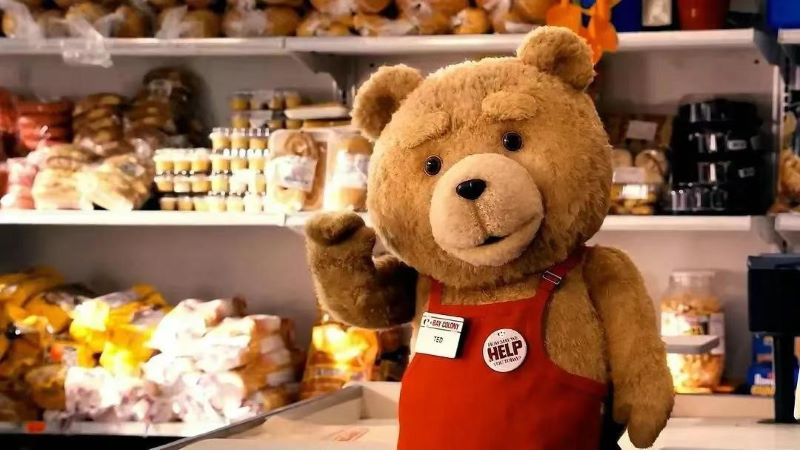
IP-integrated AI toys have gained capital favor due to joint efforts from developers and users. IP holders, inspired by the capabilities of large language models like DeepSeek, have actively sought collaborations to animate static IPs and boost their popularity.
For developers, IP integration reduces trial-and-error costs and lowers consumer purchase barriers. Startups like Aiwuzhi Technology noted increased partnerships after shifting to IP focus. IPs provide clear user profiles, enabling targeted marketing and reducing costs associated with independent character design.
Overseas investors observed that IP-equipped products attract users through brand recognition rather than just features, lowering acquisition costs and allowing for price premiums.
Technical development focuses on three core areas. First, training chips to master IP storylines: developers fine-tune open-source models, adjust training data to avoid out-of-character responses, and test data volume for optimal results—a process taking 1-2 weeks for small teams.
Second, replicating IP voices: collecting original voice samples across emotions (calm, sad, happy, angry), ensuring noise-free audio and strong emotional expression for natural-sounding interactions.
Third, improving response speed and functional complexity: adult-oriented IP toys require fast responses and outdoor usability, demanding enhanced noise reduction. IP partners may request additional features like voice chips, supporting apps, or movable parts, raising development requirements.
Despite these challenges, AI toys have lower technical barriers than other AI hardware. With smooth IP collaboration, development cycles range from one to two months, with 2-3 weeks for design and the rest for data preparation and adjustments. Profit margins are high: basic models like BubblePal have 50%-65% gross margin, high-end products like Ropet (priced $1300-$3000) have 70%-85%, and some premium items exceed 90%.
Hardware costs center on voice boxes (50-200 yuan), while IP licensing fees vary by IP popularity and collaboration terms. Some less-known IPs require no licensing fees, with revenue sharing common post-launch.
Market Challenges and Outlook
Despite positive industry signals, AI toys face market hurdles. E-commerce return rates for AI plush toys reach 30%-40%, and no product has achieved annual sales of over one million units.
Investor enthusiasm has cooled, with Yueran Innovation’s funding seen as a result of early market entry rather than industry-wide performance. Technical limitations persist, such as poor real-time dialogue—most products cannot interrupt or respond promptly, relying on a three-step process: voice-to-text, model-generated text responses, and text-to-voice. Advanced solutions like real-time voice agents remain underutilized due to high API costs.
User experience issues include poor voice recognition (requiring repeated commands) and limited network support (needing 2.4G instead of 5G for activation). Pricing also deters consumers: basic products start at 399 yuan (with annual membership fees), and some cost over 10,000 yuan. Return policies, such as no refunds after activation, further raise barriers.
Industry insiders note that IPs help with initial sales but user retention depends on intelligence. The “AI toy + IP” sector is still in early stages, with no company yet optimizing the model. The emergence of a “Pop Mart-like” success story in AI toys remains uncertain.



Related Articles
Lorem ipsum dolor sit amet
Lorem ipsum dolor sit amet consectetur adipiscing elit. Quisque faucibus ex sapien...
Lorem ipsum dolor sit amet
Lorem ipsum dolor sit amet consectetur adipiscing elit. Quisque faucibus ex sapien...
Découvrez le monde passionnant de Nine Casinos : votre guide complet
Le secteur des casinos en ligne ne cesse de croître, offrant aux...
Découvrez comment la technologie révolutionne l’expérience des casinos en ligne
Avec plus de 60 % des joueurs français qui préfèrent désormais jouer...