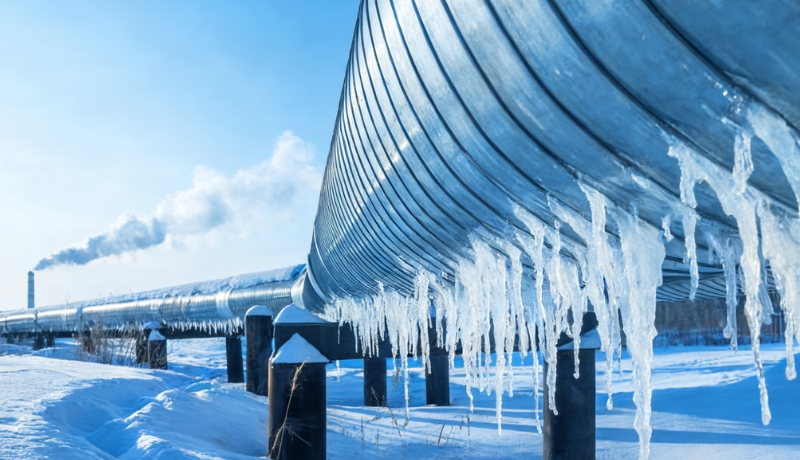
In recent days, a widespread winter storm has impacted multiple regions across the United States, bringing extreme low temperatures, heavy snowfall, and strong winds that have persistently disrupted transportation, power supply, and energy infrastructure. The extensive coverage and prolonged duration of this cold wave have resulted in temperatures in several major energy-consuming areas falling significantly below seasonal averages. This has triggered an “explosive” surge in the price of natural gas, a critical fuel for heating and power generation. According to the latest market data, the benchmark Henry Hub natural gas futures price skyrocketed within a short period, briefly reaching $7.43 per million British thermal units (MMBtu) and marking its highest level in three years.
Heating Demand Surges Amid Supply Constraints
Natural gas serves as America’s primary winter heating fuel and a vital power generation source. As temperatures plummeted, residential and commercial consumption surged significantly, with some regions recording record-high usage levels. While demand rapidly escalated, extreme cold disrupted natural gas production and transportation. Production facilities in some regions experienced equipment freezing and reduced operational efficiency, limiting supply growth. Additionally, under high-load conditions, operating pressures in pipelines and storage systems have risen, heightening market expectations of tight supplies. Driven by supply-demand mismatches and amplified market sentiment, U.S. natural gas futures prices surged rapidly, briefly hitting a three-year high, with spot markets in certain regions experiencing even more volatile fluctuations.

Social Impact
The storm has claimed dozens of lives and left nearly 700,000 customers without power across the United States, primarily in southern states experiencing severe tree icing. In terms of economic losses, school and business closures, transportation disruptions, and power outages have resulted in an estimated $7 billion to $10 billion in lost economic output. For consumers, the high wholesale costs won’t be fully reflected on current bills immediately, but utilities will gradually pass on these costs through future rate adjustments. This means household energy expenses will face upward pressure over the coming months and beyond.
Energy Resilience Back in Focus
As temperatures rise, production resumes, and inventory adjustments take effect, market supply-demand dynamics are expected to gradually improve. However, this round of market volatility has once again highlighted the amplified impact of extreme weather on energy markets. As a major global natural gas producer and exporter, the United States holds advantages in resource scale. Yet its supply resilience and infrastructure robustness remain tested when confronting concentrated cold snap impacts. Enhancing the energy system’s adaptability to extreme weather has become a critical issue requiring sustained attention at both industrial and policy levels.