

Sanae Takaichi Elected Japan’s Prime Minister, First Woman to Hold the Post
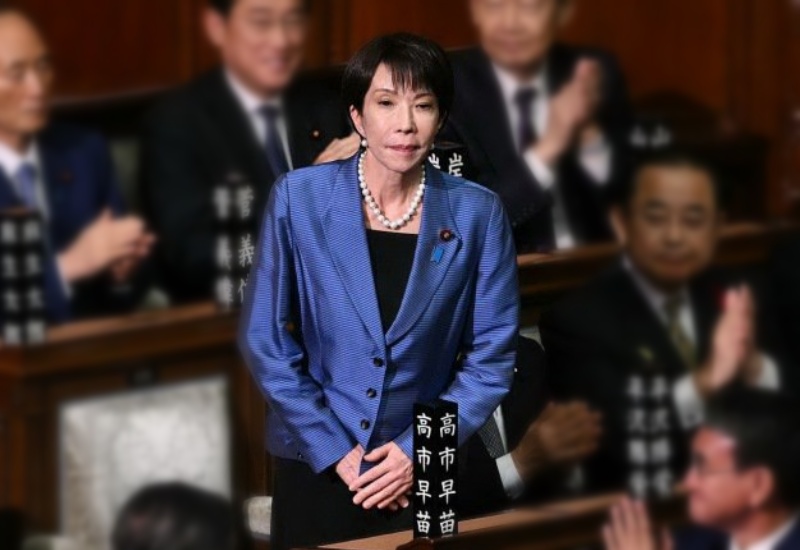
Latest reports indicate that Japan’s Diet has formally elected Liberal Democratic Party President Sanae Takaichi as the nation’s 104th Prime Minister, marking Japan’s first female head of state. Takaichi secured a majority vote in the Diet, winning 237 out of 465 valid votes cast in the House of Representatives—exceeding the required majority. In the first round of voting in the House of Councillors, she received only 123 votes, falling one vote short of a majority. She ultimately secured victory in a close second-round runoff. Her win not only ended former Prime Minister Shigeru Ishiba’s tenure but also ushered in a new chapter in Japanese politics.
The election was fraught with uncertainty after the Komeito withdrew from the ruling coalition. Kōichi secured victory by negotiating with parties including the Democratic Party for the People and the Japan Innovation Party, ultimately gaining the latter’s endorsement. That evening, following her appointment ceremony at the Imperial Palace, she announced her new cabinet lineup. Political rivals and opponents such as Shinjiro Koizumi and Toshimitsu Motegi were included in the cabinet.
A New Political Journey Begins
Sanae Takaichi, 64, was born in Nara Prefecture in 1961. She entered politics in 1993 when she was first elected to the House of Representatives. She has served as Minister of Internal Affairs and Communications and Minister for Economic Security. She is closely associated with former Prime Minister Shinzo Abe and is regarded as the heir to the “Abe-style policies.” Abe once called her “the star of the conservatives.”
This marks Takaichi’s third bid for the top post. After losing the LDP leadership race in both 2021 and 2024, she finally defeated Shinjiro Koizumi in the decisive round this year to become party president. Her political stance is distinct, encompassing efforts to promote constitutional revision, increase defense spending, and uphold the authority of the imperial system.
Leadership Faces Mounting Challenges
The new administration faces multiple challenges from its inception. Domestically, it must address rising prices, declining birth rates, and other livelihood issues, while the side effects of its aggressively pursued “Abe-style policies” have already become apparent. On the diplomatic front, it must deepen the Japan-U.S. alliance while its historical stance raises concerns in China and South Korea. Socially, Takaichi’s conservative views have sparked divisions within Japan. Some citizens view her election as a symbolic step toward gender equality. Yet critics express concern that her stance on women’s and minority rights, immigration policy, and other issues is excessively conservative.
Sanae Takaichi’s appointment marks not only a pivotal moment in Japan’s political history but also leaves numerous uncertainties about the nation’s future reform direction. Her ability to strike a balance between tradition and modernization will determine the trajectory of Japan’s political landscape in the coming phase.


Related Articles

China May Boost US Soybean Imports Significantly
Feb 4, 2026 – High-level China-US telephone talks on February 4 have...

The United States Officially Withdraws from the World Health Organization
On January 22, 2026, the U.S. government announced that its withdrawal from...

Somalia Ends All Agreements with the UAE
According to the latest reports, the Federal Government of Somalia recently announced...


U.S. Announces Withdrawal from 66 International Organizations
On January 7, U.S. President Donald Trump signed a far-reaching presidential memorandum,...