

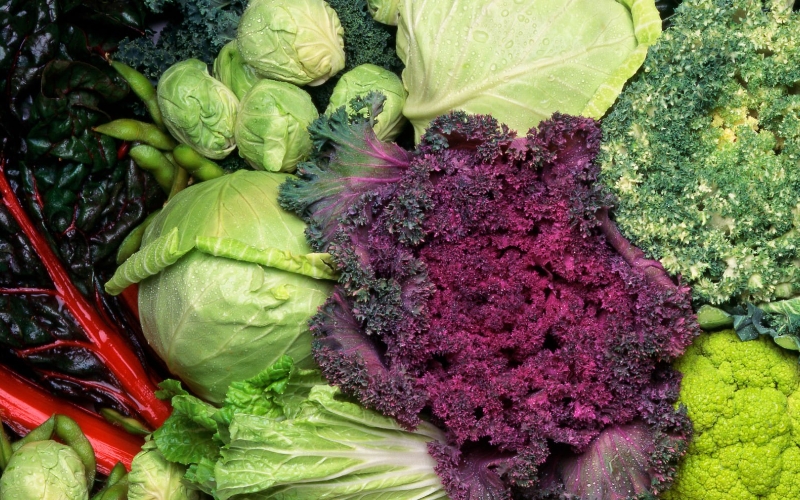
Recently, the French National Institute of Health and Medical Research (INSERM) and the Curie Institute jointly released new research indicating that Indole-3-carbinol (I3C), a natural compound found in cruciferous vegetables (including broccoli, cauliflower, cabbage, and Brussels sprouts), may significantly enhance the efficacy of tumor immunotherapy. The research team discovered that in animal models, when diets contained I3C, the treatment response rate to immune checkpoint inhibitors reached 50%–60%. Without this compound, the efficacy rate dropped to approximately 20%. Researchers explained that I3C helps restore the function of cytotoxic T lymphocytes suppressed by the tumor microenvironment, enabling them to regain their ability to kill cancer cells. This marks the first study suggesting dietary components may directly influence immune therapy responses, providing new scientific evidence linking dietary patterns to cancer treatment. Although the findings are groundbreaking, the research remains in the animal testing phase and has not yet progressed to large-scale clinical trials.
More Intake, Lower Risk
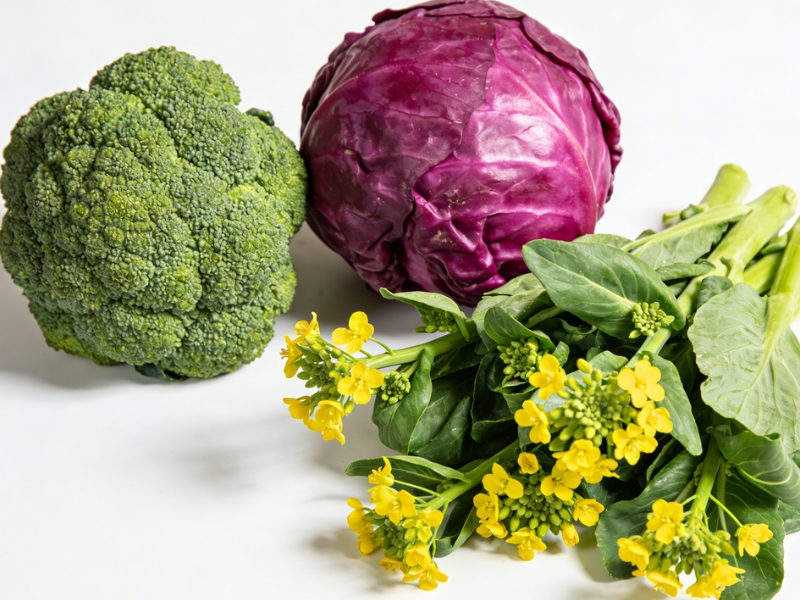
Beyond mechanistic studies, epidemiological data also supports the health benefits of cruciferous vegetables. In August 2025, a systematic meta-analysis encompassing 17 studies and nearly 100,000 participants found that individuals consuming 20–40 grams of cruciferous vegetables daily had approximately a 20% lower risk of colorectal cancer compared to low-intake groups; risks may decrease by 20%–26% for intakes of 40–60 grams per day. Furthermore, a large systematic review evaluating 226 studies indicated that consumption of these vegetables is significantly associated with reduced incidence of multiple cancers, including lung, kidney, bladder, prostate, and colon cancers. Scientists believe these potential protective effects primarily stem from vegetable compounds like isothiocyanates (e.g., sulforaphane), which exert antioxidant effects, promote cancer cell apoptosis, reduce inflammation, and inhibit carcinogen activation. However, experts caution that most epidemiological studies are observational. While they demonstrate strong associations, they cannot directly prove that cruciferous vegetables “prevent cancer.” Conclusions should be interpreted with caution.
Beneficial but Not a Treatment
Overall, the latest research further solidifies the important role of cruciferous vegetables in a healthy diet, while also reminding the public to understand their effects with a scientific mindset. At this stage, the enhanced efficacy of I3C in immunotherapy has not been clinically validated in humans, so it cannot be considered part of cancer treatment. Meanwhile, the nutrition community generally agrees that consistent daily intake of cruciferous vegetables may help reduce the long-term risk of certain cancers, but dietary intervention cannot replace medical treatment. For the public, a more scientifically sound approach involves maintaining moderate intake in daily diets (e.g., 30–60 grams per day) while adhering to a balanced nutrition plan, undergoing regular health checkups, engaging in appropriate exercise, and adopting healthy lifestyle habits such as smoking cessation and moderate alcohol consumption. Experts emphasize that integrating diet, lifestyle, and medical interventions represents a more reliable approach to health management. Overall, the latest research offers new insights into the future direction of combining nutrition and medical care. However, until more clinical evidence emerges, cruciferous vegetables should be regarded as an important component of a healthy diet rather than an anti-cancer treatment method.


