

US Government Advances Energy Expansion Plan
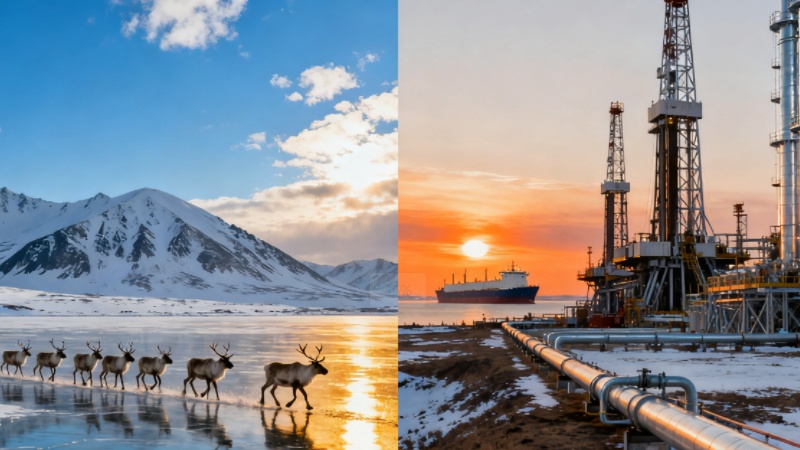
The U.S. government has announced a new phase of its energy expansion strategy, aiming to open additional areas for oil and gas exploration, including parts of Alaska’s Arctic National Wildlife Refuge (ANWR) and selected coastal waters. According to the Department of the Interior, approximately 1.56 million acres of the ANWR coastal plain will be made available for potential leasing. The administration is also drafting a new five-year Outer Continental Shelf leasing plan that could reopen portions of the Atlantic and Pacific coasts for offshore drilling.
Officials stated that this move aims to enhance energy security, promote local economic development, and reduce reliance on overseas energy sources. In a statement, the Secretary of the Interior noted that the United States possesses abundant energy resources, and the rational utilization of these resources holds strategic significance for national energy independence.
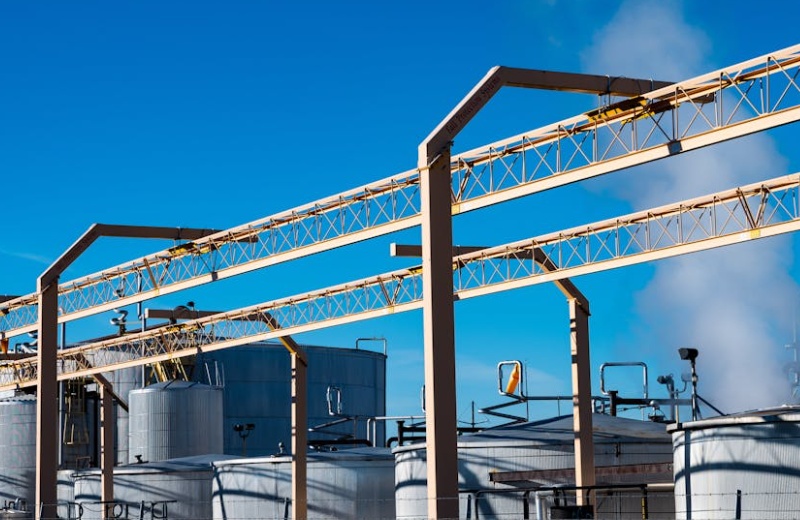
Environmental and Local Opposition Mounts
However, this policy immediately drew strong opposition from environmental groups and local governments. Alaska’s ANWR coastal plain serves as a vital breeding ground for Arctic reindeer and migratory birds, long recognized as an ecologically sensitive area. Environmentalists warn that large-scale development could destroy pristine ecosystems and conflict with the United States’ commitments to climate emissions reduction.
Within Alaska’s Indigenous communities, attitudes are notably divided. For the state of Alaska, oil and gas revenues account for 50% of the state budget, and through the Permanent Fund Dividend, these revenues provide dividends to residents, which has fostered broad local support for development projects. At the federal level, there is an expectation that increased production will create jobs. According to the U.S. Energy Information Administration, an aggressive expansion policy could increase crude oil production by 800,000 to 1 million barrels per day. Meanwhile, coastal states such as California have also voiced opposition, citing concerns that oil spills and drilling activities could harm fisheries and tourism. With 250,000 public comments received during the consultation period, the conflict between ecological preservation and economic benefits has become sharply evident.
Balancing Economic Gains and Climate Goals
This energy expansion plan reflects the federal government’s balancing act between “energy independence” and “climate goals.” Supporters emphasize that global energy price volatility underscores the necessity of boosting domestic production, arguing that opening new areas will help stabilize supply and increase fiscal revenue. Opponents counter that even if the policy is approved, actual drilling projects may progress slowly due to uncertainties surrounding market oil prices, technological costs, and investment returns. This debate over energy’s future and environmental protection will continue to unfold in courtrooms, on the streets, and at the ballot box.


Related Articles

Local Moves for Clean Energy’s Spatial Impacts
January 26 marks the International Day of Clean Energy, an initiative raising...

US $12 Billion Treasury Plan Struggles to Break the Deadlock in Critical Minerals
On February 3, 2026, US President Donald Trump announced the launch of...

IEA Latest Forecast: Renewables and Nuclear to Supply Half of Global Electricity by 2030
According to the latest report released by the International Energy Agency (IEA),...


Czech Republic Shuts Down Its Last Hard Coal Mine
In January 2026, the Czech Republic officially closed its last deep-well hard...