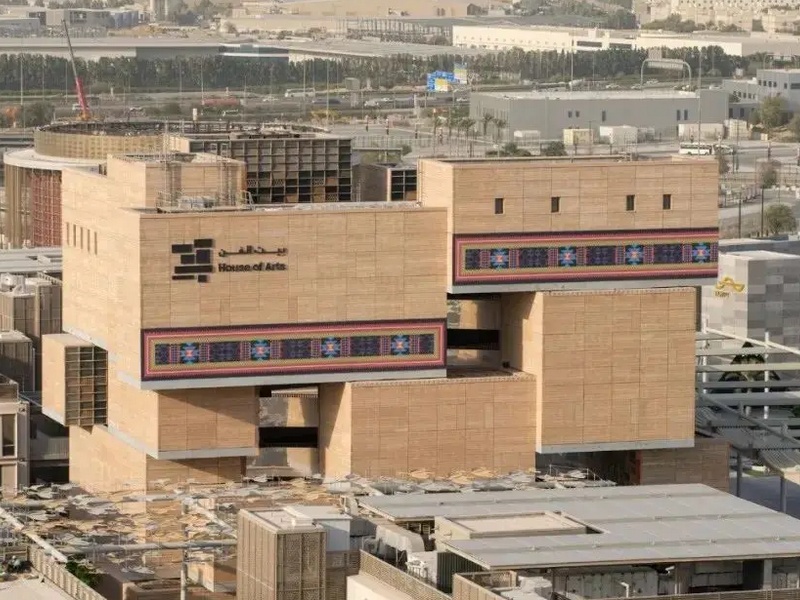
On September 2, 2025, the independent jury of the 16th (2023–2025) Aga Khan Award for Architecture formally announced the latest selection results after completing on-site visits and comprehensive evaluations of global shortlisted projects—seven architectural projects from Asia, Africa, and the Middle East stood out. These award-winning projects center on the core value of “architecture as a catalyst for society.” From fostering coexistence among diverse communities and enhancing climate resilience in neighborhoods to driving regional social transformation and building bridges for cultural dialogue, they comprehensively showcase contemporary architecture’s innovative practices in responding to global challenges.
A Significant Benchmark
Since its establishment in 1977, the Aga Khan Award for Architecture (AKAA) has consistently upheld the principle of “transcending pure aesthetics to focus on the social and cultural value of architecture,” becoming one of the world’s most influential architectural awards. Its selection criteria emphasize not only fulfilling fundamental human needs—material, social, and economic—but also prioritizing the preservation and revitalization of local cultures. Whether through the modern adaptation of traditional craftsmanship or the integration of regional identity with global concepts, these elements form the core of its evaluation.
Now in its 16th edition, this triennial award has honored 136 outstanding projects and documented nearly 10,000 architectural practices. Internationally renowned architects such as Francis Kéré and Zaha Hadid have received this distinction for works embodying both humanistic care and innovative spirit, further cementing the award’s status as an industry benchmark.
Latest Award-Winning Projects
Among this year’s award-winning projects, the Hohhot “Xiwusu Village Community Center” designed by Chinese architect Zhang Pengju’s team stands out. Using locally recycled bricks as the primary building material, the project creates a public space within the rural environment that integrates daily community activities with artist exchanges. This approach not only reduces construction costs but also responds to the cultural integration needs of the local multi-ethnic community through its open layout and warm materials. The jury praised this work for “precisely constructing a micro-community scenario that balances shared functionality and inclusivity within the macro context of rural living, offering a new paradigm for designing public spaces in rural areas.”
Equally representative is the “Khudi Bari” project in Bangladesh. Led by Marina Tabassum Architects, this project employs lightweight bamboo-steel structures to create temporary shelters for communities displaced by climate disasters and land shifts. Beyond addressing urgent housing needs, its standardized construction methods and locally sourced materials promote bamboo as a sustainable building material globally. Meanwhile, Egypt’s “Esna Historic District Revitalization” project transforms a long-neglected historical site into a vibrant area blending cultural exhibition and residential functions. Through spatial functional restructuring, socioeconomic support, and innovative urban governance strategies, it achieves “the organic integration of historical preservation and modern living.”
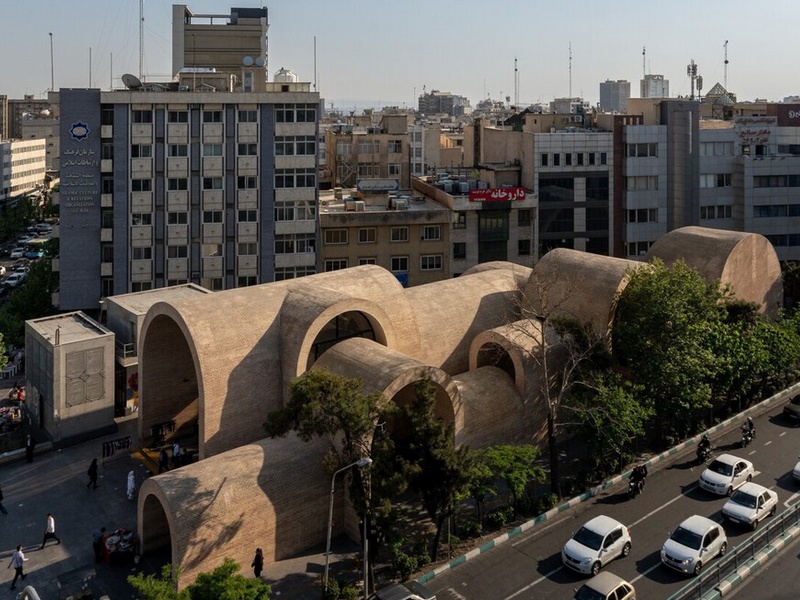
Additionally, Iran’s Majala Housing and Community Renewal Project and Jahad Metro Square Redevelopment, Pakistan’s “Pakistan Vision” Community Complex, and Palestine’s “Miracle House” Children’s Activity Center all earned recognition on this year’s award list. Each project successfully addressed local needs with precision and innovatively implemented sustainable concepts.
Significance and Impact
Unlike most architecture awards that focus solely on designers, the Aga Khan Award for Architecture places particular emphasis on “end-to-end recognition.” Beyond architects, it also honors municipal authorities, project developers, clients, traditional artisans, and engineers, thereby highlighting the importance of multi-stakeholder collaboration in architectural practice. According to official sources, this year’s award ceremony will take place on September 15 in Bishkek, Kyrgyz Republic. Global architecture practitioners, scholars, and policymakers will be invited to participate, further amplifying the influence of the winning projects.
To broaden awareness of these exemplary practices, the book Optimism and Architecture, edited by Leslie Locke, will be released simultaneously in September 2025. The book will not only comprehensively document the design details and implementation stories of this year’s winning and shortlisted projects but also delve into architecture’s core values in areas such as “bridging tradition and innovation” and “integrating local practices with global discourse.” Industry experts note that these award-winning projects provide the global architectural community with reference models that balance feasibility and humanism. They are expected to encourage more practitioners to prioritize social needs and sustainable development in their designs, propelling the industry toward a more compassionate and responsible future.