

Rising Cases of Chikungunya: Symptoms and Prevention Guide
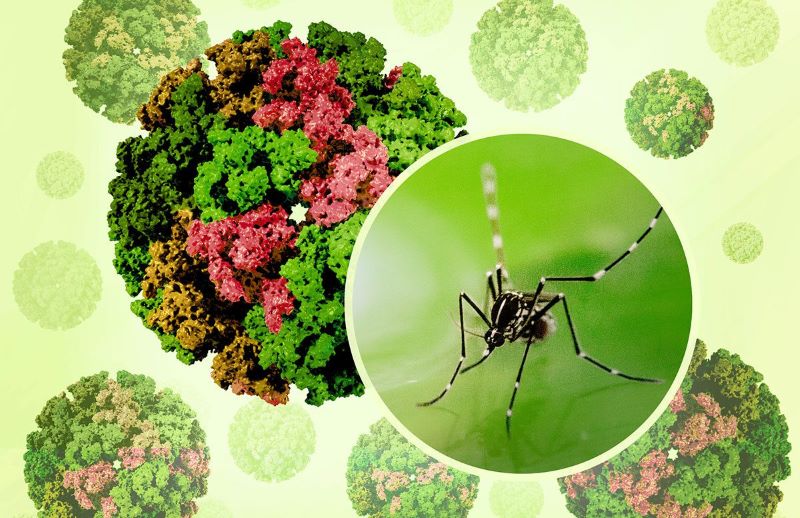
In the summer of 2025, a viral infection characterized by high fever and severe joint pain began to emerge quietly in India, Bangladesh, South America, and parts of Southeast Asia, prompting heightened vigilance from public health authorities. The disease is known as Chikungunya fever. Over the past three months, the disease has infected tens of thousands of people across multiple countries, with several cities declaring public health emergencies. The World Health Organization (WHO) has also updated its monitoring level for the virus.
Chikungunya fever is not a new disease. Since its first discovery in Tanzania in 1952, it has been a recurring issue in tropical and subtropical countries. However, between 2024 and 2025, due to the combined effects of global warming, the expansion of mosquito-borne transmission ranges, urbanization, and frequent international travel, the virus began to appear more widely and frequently, posing a potential threat to traditional high-latitude regions.
Symptoms are more persistent than dengue fever
Compared to dengue fever or Zika virus, which are also transmitted by mosquitoes, Chikungunya has a lower fatality rate. However, its most distinctive feature is its extremely intense joint pain. Patients often experience high fever for two to three days, followed by symmetrical pain in joints such as fingers, knees, and ankles. The pain can be so severe that it prevents walking or standing, significantly impacting daily life.
The name “Chikungunya” derives from the Makonde language phrase “that which bends up,” referring to the hunched posture people adopt due to the pain. Most infected individuals recover from fever within a week, but approximately 20% may experience persistent joint inflammation symptoms for months, particularly the elderly and those with underlying health conditions.
Typical symptoms include:
- Sudden high fever (typically above 39°C)
- Severe joint and muscle pain
- Headache, conjunctivitis
- Rash (on the limbs, face, and trunk)
- Nausea, fatigue, and other flu-like symptoms
Although the mortality rate is extremely low, the virus has a significant impact on an individual’s quality of life.
No vaccine or specific treatment
Of concern is that there are currently no approved vaccines or specific antiviral drugs available worldwide to prevent or treat chikungunya fever. Current treatment primarily focuses on symptom relief, such as fever reduction, pain management, rehydration, and bed rest. Some experimental vaccines are undergoing clinical trials in India, France, and other regions, but large-scale availability in the short term remains uncertain.
The World Health Organization (WHO) and the U.S. Centers for Disease Control and Prevention (CDC) have both urged the strengthening of mosquito control measures. Since the primary vectors are the Aedes aegypti and Aedes albopictus mosquitoes (also known as the Asian tiger mosquito), prevention and control measures are similar to those for dengue fever, including eliminating standing water, installing window screens, using insect repellents, and minimizing outdoor activities in high-risk areas.
In July 2025, the Florida Department of Health issued an announcement stating that the state had recorded its first locally transmitted case of chikungunya fever linked to travel, prompting local health authorities to organize mosquito control efforts overnight. Meanwhile, regions such as São Paulo, Brazil, Dhaka, Bangladesh, and Kerala, India, also experienced a significant rise in infection rates, placing strain on healthcare systems.
Why has it become so “active” now?
Experts believe that the resurgence of chikungunya as a global public health issue stems from the complex interplay of climate change, urban expansion, and weak epidemic prevention measures.
First, climate warming and frequent rainfall have expanded mosquito activity ranges from tropical to temperate zones, particularly the Asian tiger mosquito, which has established stable populations in southern Europe, the southern United States, and Japan.
Second, resources for epidemic prevention and control are unevenly distributed. Many developing countries have outdated drainage systems in densely populated urban areas, where stagnant water breeds mosquitoes but lacks sustained management; meanwhile, epidemic response funds are prioritized for more well-known viruses like dengue fever.
Additionally, the resumption of international air travel has led to large-scale population movements, enabling virus carriers to spread the disease to non-endemic regions during the incubation period, forming new transmission chains.
The final new variable stems from global trade. As reported by Bloomberg, recent global disputes over raw material tariffs have led multiple countries to reduce imports of epidemic prevention products, such as mosquito repellent solutions and mosquito nets, indirectly weakening mosquito-borne disease control systems. This has also prompted the international community to call for the integration of climate security and public health into global policy cooperation agendas.
How to prevent infection?
Since there is currently no vaccine available, the key to preventing chikungunya fever lies in “mosquito prevention + early detection.” First, choose light-colored, long-sleeved clothing to cover as much skin as possible, reducing the risk of mosquito bites. Additionally, use mosquito repellent containing DEET to enhance protection. In living environments, install window screens and mosquito nets to prevent mosquitoes from entering indoor spaces, and regularly clean areas where mosquitoes are likely to breed, such as standing water in flower pots, water dispenser bases, and old tires, to cut off mosquito breeding pathways. If you experience a high fever accompanied by severe joint pain or other suspected symptoms, seek medical attention promptly and avoid close contact with others to reduce the risk of transmission.

How is the international community responding?
Currently, the World Health Organization has activated emergency response mechanisms in South Asia and the Americas and strengthened information-sharing mechanisms. The European Centre for Disease Prevention and Control has issued a warning, advising travelers planning to visit India, Bangladesh, Sri Lanka, Brazil, and Colombia during the summer to familiarize themselves with the risks in advance and carry mosquito repellent devices if necessary.
Meanwhile, some countries have called for the inclusion of a “Tropical Mosquito-Borne Virus Collaborative Response Mechanism” agenda item at the United Nations or G20 Health Ministers’ Meeting. Pharmaceutical companies in France, India, the United States, and other countries are accelerating the commercialization process for vaccines, with the first approved product expected to be launched as early as 2026.
Conclusion: Be vigilant but not panicked
Although Chikungunya fever may sound unfamiliar, it is quietly entering the lives of an increasing number of people. It will not cause global lockdowns like COVID-19, but it poses significant pressure on individual health, urban public health, and the allocation of medical resources. In this increasingly interconnected global era, any regional infectious disease could quickly become a cross-border challenge. What we need to do is establish scientific understanding, implement personal protective measures, and call for collaboration between governments and international organizations to jointly strengthen the global health protection network.


Related Articles

Trump Issues Ultimatum as Ukraine Weighs Peace Plan
A U.S.-backed 28-point plan to end the Russia-Ukraine conflict has emerged as...

After Myanmar Raid, 20,000 Cyber Scammers Scatter and Regroup
Last month, the Myanmar military’s raids on notorious telecom fraud hubs like...

APEC Focuses on Demographic Change for the First Time
In August 2025, at the APEC dialogue held in Incheon, South Korea,...


Over 1,000 Artifacts Stolen in Massive Heist at Oakland Museum
In October 2025, US media disclosed that the Oakland Museum of California...
Leave a comment