

Herbicide-Resistant ‘Superweed’ Threatens Australia’s Agriculture

Australia’s wheat industry is facing a severe threat from Wimmera ryegrass, a highly invasive species dubbed a “superweed” that has spread across vast tracts of farmland, becoming the number one challenge for farmers. This weed was originally just common pasture grass, but through prolonged herbicide use and natural mutation, it has now developed resistance to multiple common chemical agents. According to data from the Australian Bureau of Agricultural and Resource Economics and Sciences (ABARES), over 8 million hectares of affected crops currently incur annual economic losses of approximately 93 million Australian dollars.
Escalating Herbicide Resistance Challenges
Faced with the spreading threat, Australia’s agricultural research institutions and farmers are actively seeking solutions. Plant science teams at the University of Adelaide and the University of Western Australia (UWA) are studying ways to control weed proliferation through gene editing and crop rotation. Some regions are experimenting with precision agriculture technologies—such as drone spraying, sensor detection, and soil monitoring—to more effectively identify the distribution of herbicide-resistant weeds. Corporate developments are also emerging. According to the latest reports, Bayer plans to introduce a new herbicide called Icafolin in Australia. This product effectively combats resistant weeds and is expected to arrive in Australia by 2028. It is anticipated to provide grain producers with new management options and alleviate pressure to rely on traditional herbicides like glyphosate.
Additionally, collaboration among farmers is strengthening. Agricultural associations are advocating for a national data platform to share information on weed distribution and herbicide usage, enabling more scientifically informed control strategies. The government is evaluating restrictions on certain herbicides while promoting ecological agriculture and sustainable farming practices.
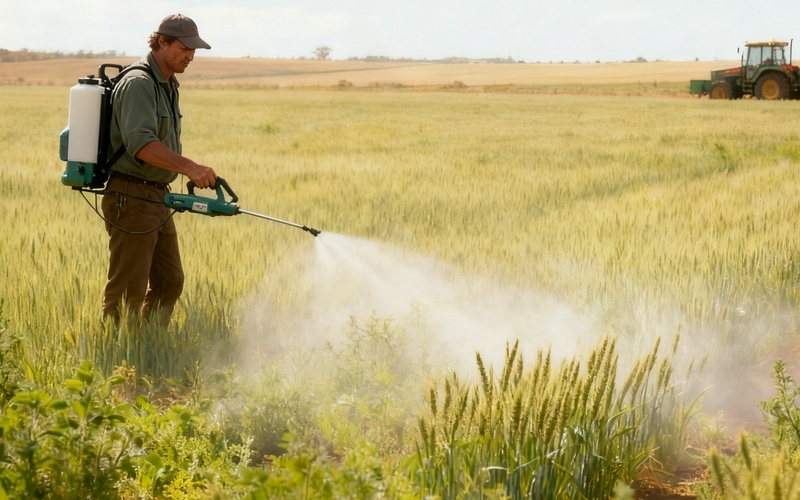
New Strategies for Sustainable Weed Management
Experts point out that the continued spread of Wimmera rye grass not only threatens wheat yields but could also impact Australia’s grain exports and agricultural reputation. As one of the world’s major wheat exporters, Australia ships over half of its annual wheat production overseas. Should weed infestations disrupt stable crop supply, it would affect international market price volatility and trade competitiveness.
Agricultural economists warn that if this “superweed” is not swiftly contained, its long-term consequences could extend beyond agriculture, touching on food security and environmental sustainability. In the coming years, Australian agriculture must forge a new development model balancing technological innovation with ecological equilibrium to uphold its status as a global agricultural powerhouse.


Related Articles

New Zealand’s Kiwifruit Output Expected to Hit Record High
Benefiting from optimized planting varieties and favorable weather conditions, New Zealand’s kiwifruit...

FRUIT LOGISTICA 2026 Innovation Award Winners Announced
On February 6, the 20th edition of FRUIT LOGISTICA concluded in Berlin,...

Carbon Robotics Launches First Large Plant Model
Carbon Robotics, a U.S.-based agritech firm focused on agricultural artificial intelligence and...


Brazil’s Corn Industry Hit Hard by Leafhopper Infestation
A new research conducted in Brazil has revealed staggering economic losses to...