

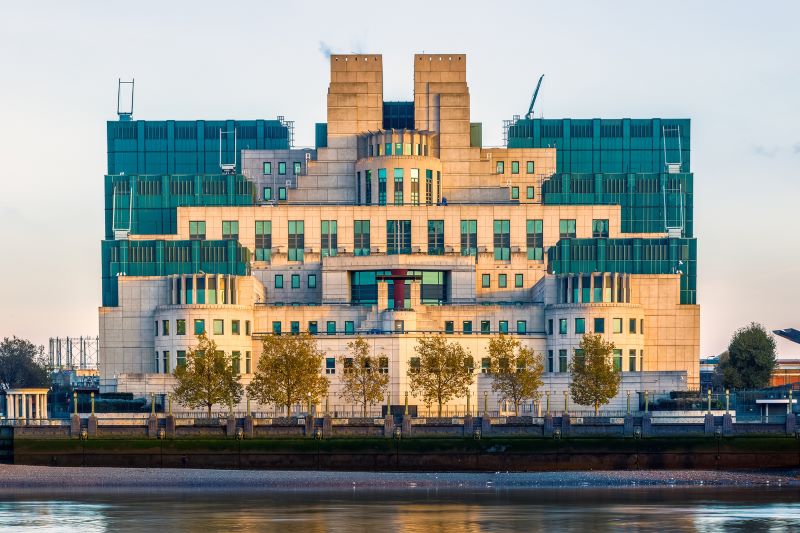
LONDON — Farrells, a London-based architecture and urban design firm, announced on Friday the death of its founder, British postmodern architect Sir Terry Farrell, at the age of 87. The firm highlighted Farrell’s lifelong commitment to challenging traditional architectural practices and advocating for more responsible, environment-friendly, and community-driven urban development, with a focus on finding creative alternatives to large-scale demolition and reconstruction.
Early Career and Partnership
Farrell was born in Sale, Cheshire, in 1938 and grew up in Newcastle upon Tyne. He studied architecture at Newcastle University, graduating in 1961, before pursuing a master’s degree in urban planning at the University of Pennsylvania in the United States. Influenced by modernist architecture he encountered during his time in the U.S., Farrell initially worked for the London County Council.
In 1965, Farrell formed the Farrell/Grimshaw Partnership with Nicholas Grimshaw — a collaborator who predeceased him. During their partnership, the duo designed a series of functionalist modern buildings characterized by clear structural logic, laying the groundwork for Farrell’s later contributions to architecture.
Rise as Postmodernism Leader
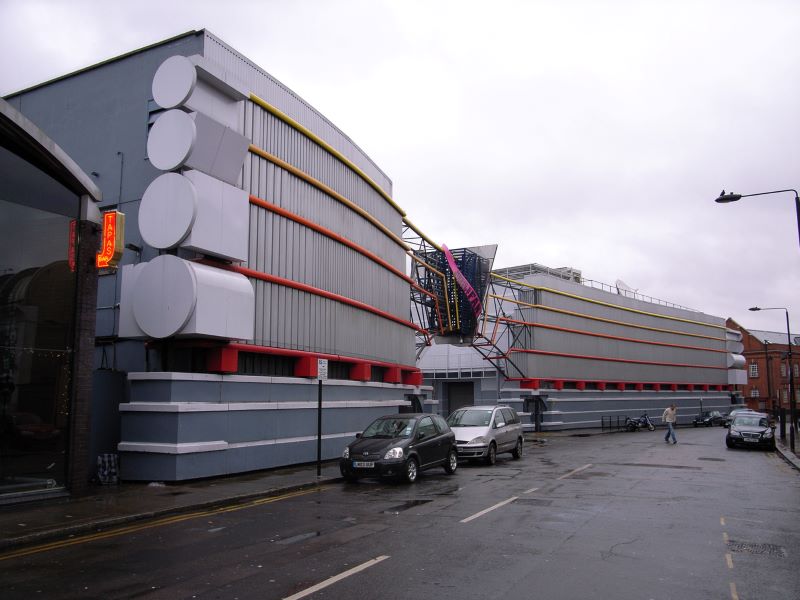
In 1980, Farrell established Terry Farrell & Partners, which was later renamed Farrells. This marked a key turning point in his career, as he emerged as a pioneer and leading figure in Britain’s postmodernist movement. He created some of the most iconic postmodern buildings in the U.K., including the headquarters of Britain’s Secret Intelligence Service (MI6) in London and the TV-am television studios in Camden.
Farrell’s postmodern works were noted for integrating humor and symbolism into design while maintaining respect for the urban environment. His other notable projects from this period include the TV-am Breakfast Television Centre (1983) and Embankment Place (1990). Later, his firm expanded its reach globally, undertaking major projects such as Beijing South Railway Station and Shenzhen’s Kingkey 100 skyscraper.
Urban Planning Philosophy
Throughout his career, Farrell focused on the social dimensions of urban planning and design. He consistently advocated for the reuse of existing buildings, promoting regeneration and renovation over demolition and reconstruction. He pioneered a model for city center renewal that combined historical preservation, multi-functional use, and public life.
From the Comyn Ching Triangle project in Covent Garden to the master plan for Newcastle’s riverside area, Farrell’s urban design work was guided by a core belief: cities achieve optimal development through “layered growth” — the coexistence and evolution of old and new elements — and community engagement. He was also a strong advocate for social mobility, viewing Britain’s class system as a significant barrier that limits opportunities for many and undermines democratic values.
In 2014, Farrell’s ideas were systematically outlined in the Farrell Review of Architecture and the Built Environment, a report commissioned by the British government. The review called for improving design literacy among the public, promoting policy reforms, and establishing “city rooms” in every city to help residents better engage with and participate in the development of their surrounding environments.
Awards and Legacy
Farrell’s contributions to architecture and urban planning were widely recognized. In 1996, he was appointed a Commander of the Order of the British Empire (CBE). He was knighted in 2001 for his services to architecture. In 2013, he received the London Planning Award in recognition of his outstanding contributions to planning and development.
Other honors included the Gold Medal from the Royal Town Planning Institute (2017) and the title of Honorary Citizen of Newcastle (2016). Shortly before his retirement in 2023, Farrell launched the Farrell Centre at Newcastle University — a facility combining a public gallery, research space, and “city room,” inspired by his own advocacy for public engagement in urban design.
In a previously stated comment, Farrell summarized his career mission: “Over the past 50 years, my work has aimed to create a world that is more compassionate and less dogmatic than the era of high modernism. It’s about layered growth — the coexistence of old and new — learning from history, and community-led urban regeneration from the ground up. One thing I’ve deeply realized is that we need to create more opportunities for children with dreams, because reality is often unfair and far from equal.”
Through his architectural works, writings, and lasting impact on planning policy, Farrell leaves a legacy centered on the belief that architecture and urban planning must evolve through dialogue with history, local contexts, and communities.


