

Australia’s Grain Production Falls Under Climate and Market Pressure
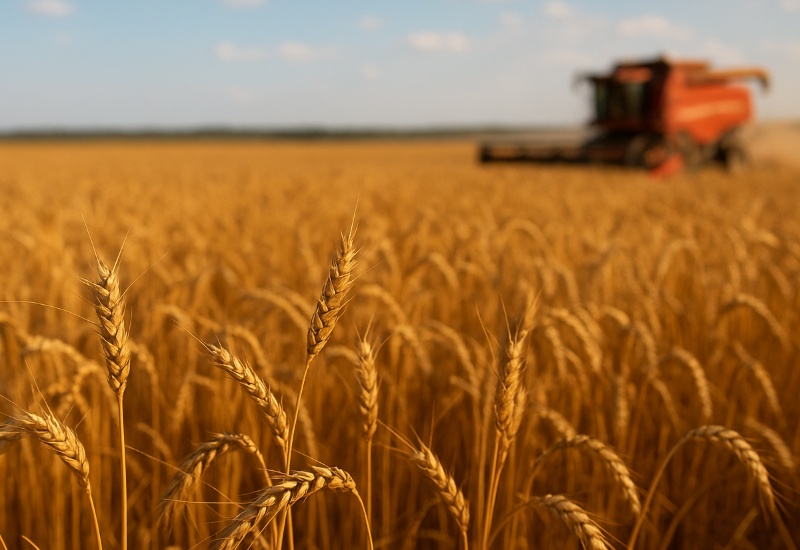
Australia’s grain production in 2025 faces significant pressure. Persistent drought and warming trends have diminished crop growth potential in key agricultural regions. According to the Australian Bureau of Agricultural and Resource Economics and Sciences (ABARES), winter crops like wheat and barley are generally below average due to insufficient rainfall, particularly in Western Australia and South Australia. Analysts note that the current El Niño climate pattern may further exacerbate moisture shortages, with national grain production projected to decline by approximately 10% compared to last year.
Farmers report increasingly severe soil degradation and declining deep soil moisture levels. While some irrigated areas in the east have maintained relatively stable yields, rising water and fertilizer costs continue to squeeze agricultural profit margins. Agricultural experts urge the government to accelerate water management reforms and promote drought-resistant crop varieties to ensure future production stability.
Strong Demand, Rising Export Costs
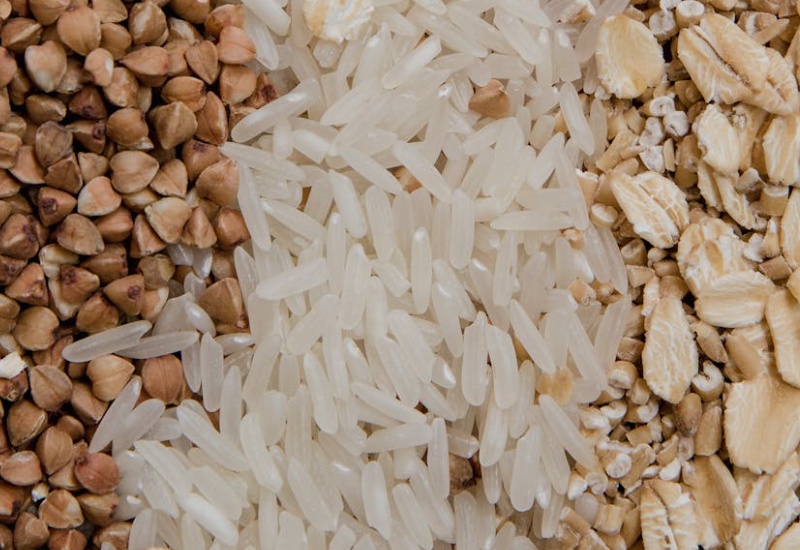
Despite domestic production being affected by weather conditions, international demand for Australian grains and oilseed remains robust. Southeast Asian and Middle Eastern nations continue to view Australian wheat and canola as vital sources for food security. However, rising transportation costs and exchange rate volatility have weakened export competitiveness. The recent strengthening of the Australian dollar against the US dollar has diminished the price advantage of Australian agricultural products in international markets.
Meanwhile, global grain markets continue to fluctuate due to geopolitical conflicts and supply disruptions in the Black Sea region. Reuters analysis indicates these external pressures are prompting Australian exporters to diversify trade routes and enhance logistical resilience. Despite these challenges, Australia’s strategic value as a stable supplier remains intact.
Innovation Drives Australia’s Farming Future
The Australian government and research institutions are increasing investment in climate-smart agriculture. New initiatives focus on digital monitoring systems, carbon farming projects, and soil restoration technologies to help farmers adapt to environmental changes. Industry associations are also calling for enhanced international cooperation to jointly establish sustainable food supply chains. Experts believe innovation will be key to maintaining competitiveness. An ABARES spokesperson stated: “The next decade will determine whether Australia can achieve environmental sustainability while maintaining production levels.” As the global food landscape continues to evolve, Australia’s food industry stands at a pivotal juncture—ensuring stable production while advancing toward a more resilient and sustainable future.


Related Articles

New Zealand’s Kiwifruit Output Expected to Hit Record High
Benefiting from optimized planting varieties and favorable weather conditions, New Zealand’s kiwifruit...

FRUIT LOGISTICA 2026 Innovation Award Winners Announced
On February 6, the 20th edition of FRUIT LOGISTICA concluded in Berlin,...

Carbon Robotics Launches First Large Plant Model
Carbon Robotics, a U.S.-based agritech firm focused on agricultural artificial intelligence and...


Brazil’s Corn Industry Hit Hard by Leafhopper Infestation
A new research conducted in Brazil has revealed staggering economic losses to...