

68 Samples Reveal Why Civet Coffee Costs $1,000/kg

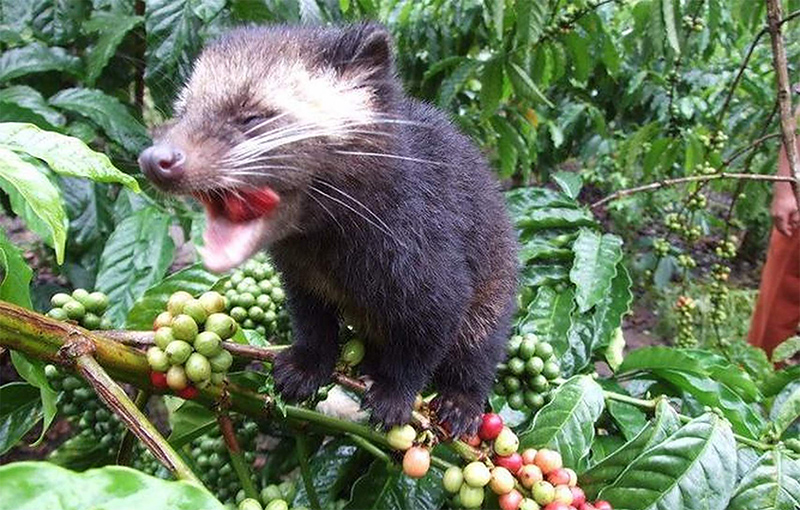
In the lush Robusta coffee plantations of southwestern India, a mysterious little animal is quietly involved in the creation of the world’s most expensive coffee. It’s called the civet cat, also known as the musk civet, resembling both a cat and a raccoon. Nocturnal, it prefers ripe coffee cherries. It eats the bright red cherries, digesting the pulp while excreting the hard coffee beans intact. These beans, collected, cleaned, and roasted from animal feces, are the infamous Kopi Luwak (civet coffee), often selling for over a thousand US dollars per kilogram, considered a luxury item among coffees.
This sounds alarming: why is coffee collected from animal feces so expensive? Is it truly better than regular coffee, or is it merely a matter of novelty and hype? The ethical controversies, hygiene concerns, and practical value surrounding it have persisted for years.
What makes the controversial Kopi Luwak so special? Science may be beginning to provide answers. Now, a team of Indian scientists has published a study in Scientific Reports, a journal under Nature, offering new clues to this mystery. They collected 68 fecal samples from wild civets in five coffee plantations in India and extracted coffee beans from them; simultaneously, they collected hand-picked ripe coffee cherries from the same area as a control. After careful cleaning and chemical analysis, the results were surprising: the coffee beans that had survived the ordeal had a significantly higher fat content, especially two fatty acid methyl esters called methyl caprylate and methyl decanoate (FAMEs)—substances that play a key role in determining coffee flavor.
Scientists speculate that the coffee beans underwent natural fermentation in the civet’s digestive tract, with enzymes and microorganisms in the gut subtly altering the beans’ chemical structure, much like a natural “bioprocessing.” Latest news reports indicate that the increased fat content may result in a smoother, more aromatic coffee, while the increased FAMEs may contribute a richer, buttery flavor, reminiscent of the smoothness of milk chocolate or caramel.
This may be what makes civet coffee special—it’s not just a marketing gimmick, but a genuine chemical transformation. Despite ongoing controversies, such as the frequent animal cruelty associated with farmed civets and the extreme rarity of wild-harvested coffee, this study reveals at least one thing: this unique “digestive journey” truly reshapes the essence of coffee beans.
Of course, the study also has its limitations: this analysis focused on unroasted green beans, while high-temperature roasting further reshapes flavor molecules. Furthermore, most commercially available civet coffee uses Arabica beans, while this study focused on Robusta beans. Even so, this research still provides unique scientific evidence for agricultural technology innovation.
When you hear that someone is spending a fortune to buy a cup of coffee salvaged from animal feces, you might not just be surprised, but curious: what kind of wondrous collaboration between nature and microorganisms lies behind that smooth taste? And that controversial “coffee legend” might finally find its true footing under scientific scrutiny.

Related Articles

New Zealand’s Kiwifruit Output Expected to Hit Record High
Benefiting from optimized planting varieties and favorable weather conditions, New Zealand’s kiwifruit...

FRUIT LOGISTICA 2026 Innovation Award Winners Announced
On February 6, the 20th edition of FRUIT LOGISTICA concluded in Berlin,...

Carbon Robotics Launches First Large Plant Model
Carbon Robotics, a U.S.-based agritech firm focused on agricultural artificial intelligence and...


Brazil’s Corn Industry Hit Hard by Leafhopper Infestation
A new research conducted in Brazil has revealed staggering economic losses to...