


At the 2026 World Economic Forum Annual Meeting, Elon Musk’s prediction that AI will surpass human experts in specific tasks is gradually coming true in the fashion industry. Centered on AIGC (AI Generated Content), AI runways are breaking the temporal and spatial constraints of traditional fashion shows, turning fantastical scenes once confined to concept sketches into reality. Meanwhile, they have sparked in-depth reflections across the industry on the essence of creativity, brand control, and industry ethics.
AI runways are not dominated by official brand efforts but originate from spontaneous creations by digital creative studios, tech enthusiasts, and even ordinary users. Accounts such as @maison.meta on Instagram have amassed a large following with their distinctive AI fashion imagery, attracting commercial collaborations with brands like Valentino Beauty, Helena Rubinstein, and more. These creators construct mood boards, set parameters, and leverage sophisticated models such as Reve.IA and Catwalk.AI to integrate brand aesthetics with cultural elements and festive contexts for creative expression. For independent designers and small-scale e-commerce brands with limited budgets, AI runways have emerged as an efficient pathway to showcase new products at low cost and create a closed loop of “visual presentation – sales conversion.”
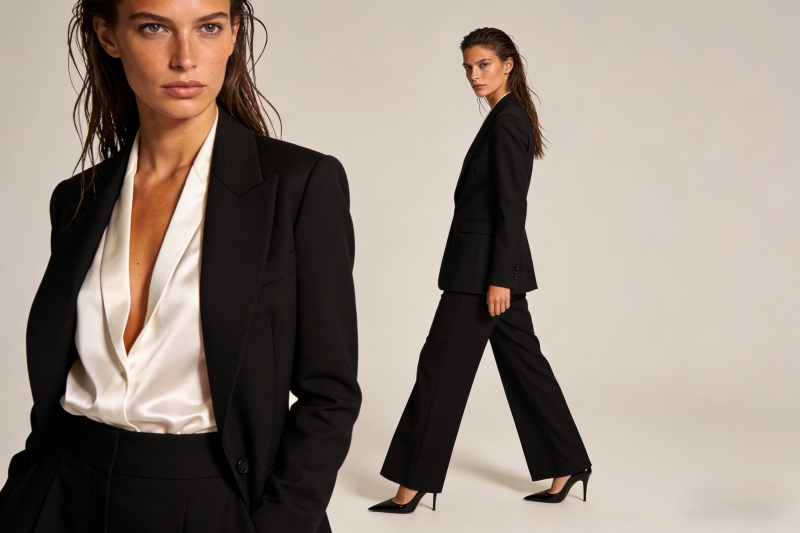
The core value of AI runways lies in expanding the boundaries of traditional fashion shows rather than replacing them. They free brands from the constraints of time, location, and physical conditions, enabling them to explore creative possibilities with lower costs and risks while reaching a broader audience across geographical borders. In commercial applications, AIGC has been widely used in the brand pitching phase to quickly present conceptual effects, serving as a crucial tool at the creative front. However, technical limitations persist: the inadequate realism in fabric texture reproduction and human-body interaction often triggers the “uncanny valley effect.” Yet this “imperfection” has inadvertently spawned new styles like “AI slop aesthetics,” offering the fashion industry the potential for a new visual language—this innovative trend has also been highlighted in the latest AI news tracking technological integration in creative sectors.
Controversies and challenges have arisen alongside these advancements. A survey of approximately 6,000 U.S. consumers found that only 18% support brands using AI-generated content for advertising, with the majority holding neutral or negative attitudes. Copyright and ethical issues are particularly prominent: some brands have reported and requested the removal of AI content involving their logos to control their image, while others like Balenciaga have embraced proactive co-creation. Additionally, the large-scale application of AI may reduce demand for creative roles such as human models and photographers, raising concerns about employment opportunities and salary levels. These issues have become unavoidable topics within the industry.
Faced with such uncertainties, brands have gradually adopted a prudent approach to testing the waters—collaborating with external independent creators. This strategy maintains flexibility while allowing brands to gauge market feedback. The core proposition of the AI era lies in identifying irreplaceable core values. Giovanna Casimiro, a professor at the Institut Français de la Mode (IFM), notes that creative production is shifting toward communities, and AI-generated content is essentially a form of “fan-made secondary creation ecosystem.” Brands should incorporate this into their marketing systems to form a synergy with official narratives. Yang LU, with over a decade of experience in digital transformation, emphasizes that brand DNA, emotional connections with consumers, and real shopping experiences are core competencies that AI cannot easily replicate.
Looking ahead, AI runways are moving toward a high degree of customization. Topshop has announced plans to launch what it calls the “world’s first AI-driven fashion show” in February 2026, in collaboration with creative agency THG Studios, PayPal, and Google. Audiences will participate through an exclusive app to collectively “shape” the show. The app will generate a “digital wardrobe” for each guest, recommending specific looks and scenes based on personal preferences. As each outfit appears on the runway, it will be simultaneously available on the app for immediate purchase. No longer restricted by time, location, or physical conditions, fashion shows are evolving from one-time launch events into a cultural form that is continuously imagined, participated in, and recreated. AI offers not definitive answers but a range of conceptual possibilities for the fashion industry. Ultimately, which creativities will endure depends on brands’ ability to balance creative exploration, community engagement, and their core values amid technological disruption, forging their own development paths in the process of reshaping industry rules.


