

AI Paves the Way for a New Golden Age in Antibiotic Research and Development
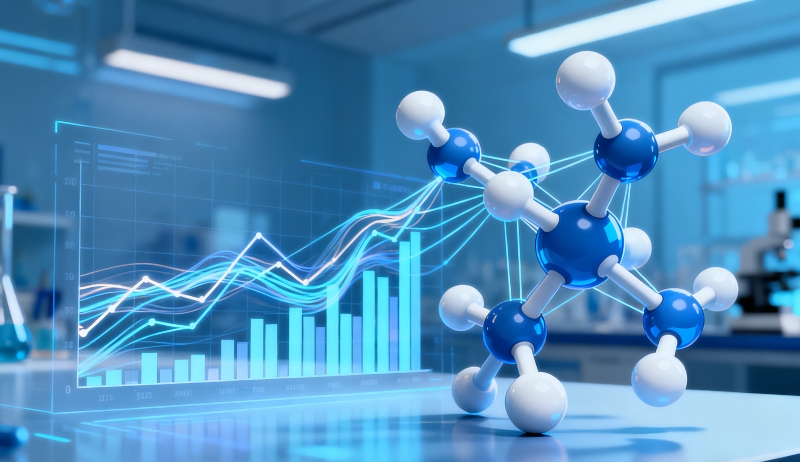
On August 14, 2025, the team led by James Collins from the Massachusetts Institute of Technology (MIT) published a groundbreaking research finding in the top academic journal Cell—marking the first time that “de novo design” of antibiotics has been achieved using a generative artificial intelligence framework, resulting in the creation of antibacterial molecules with entirely new chemical structures. This breakthrough offers hope for addressing the severe global crisis of drug-resistant bacteria and is widely regarded as a sign that the “second golden age” of antibiotic research and development is on the horizon.
Since the industrialization of penicillin in the 1940s ushered in the era of antibiotics, the problem of bacterial resistance has grown increasingly severe due to evolution, while the development of new antibiotics has long been stagnant. According to statistics from the World Health Organization (WHO), approximately 5 million people worldwide die from drug-resistant bacterial infections each year, and antimicrobial resistance has been listed as one of the top 10 public health threats. Professor Collins emphasized at the press conference that the crisis of multidrug-resistant bacteria urgently calls for antibiotics with innovative structures, and the application of AI technology in this research has enabled researchers to explore vast chemical spaces that were previously inaccessible.
The research team adopted two complementary AI-driven design strategies to advance the development process. The first strategy is “fragment-based directed design,” targeting the Gram-negative bacterium “Neisseria gonorrhoeae”: First, using a machine learning model, the team screened over 100 million chemical fragments to identify a core structure called F1, which shows potential for antibacterial activity. Next, two generative AI algorithms were employed to “grow” approximately 7 million brand-new complete molecules around the F1 core.
After multiple rounds of computational screening and chemical synthesis verification, the compound NG1 stood out. In in vitro experiments, it efficiently killed drug-resistant “Neisseria gonorrhoeae” and also demonstrated significant therapeutic effects in a mouse infection model. Notably, NG1 operates through an entirely new mechanism: it targets the LptA protein to disrupt bacterial outer membrane synthesis, ultimately leading to bacterial death.
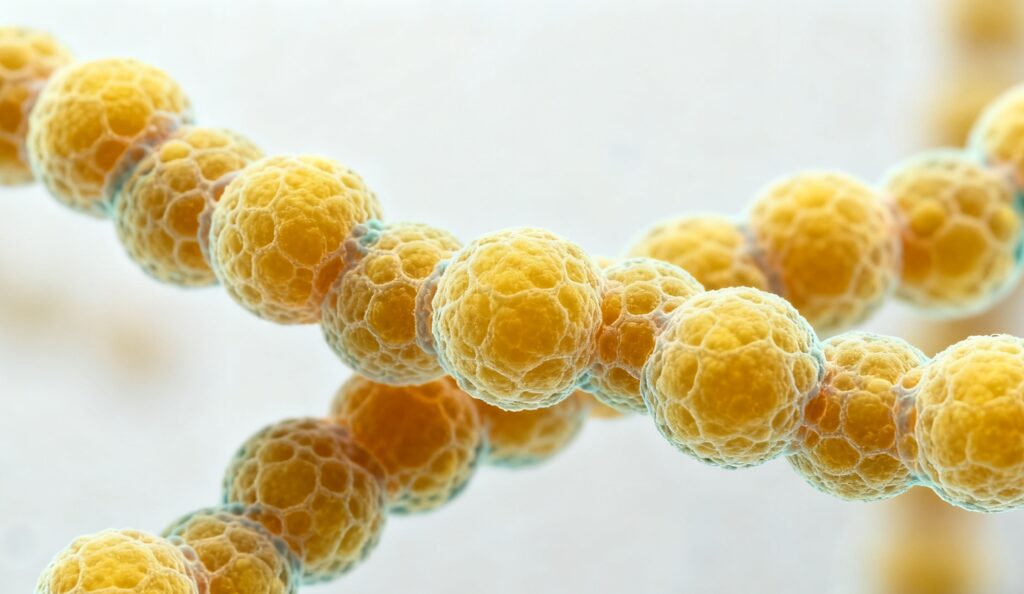
The second strategy is “unconstrained free generation”, focusing on Methicillin-resistant Staphylococcus aureus (MRSA): Here, generative AI was allowed to freely create molecules under the premise of adhering to basic chemical rules, resulting in the generation of over 29 million compounds. After screening, the team synthesized 22 candidate molecules for testing, among which 6 exhibited strong antibacterial activity. The top candidate, DN1, successfully eliminated bacteria in a mouse model of MRSA skin infection. Similar to NG1, these molecules act by disrupting bacterial cell membranes, but their impact is broad and not limited to a single target protein.
Aarti Krishnan, the first author of the paper, stated that the team deliberately avoided molecules with structures similar to existing antibiotics. The goal is to fundamentally address the resistance crisis in a new way—by exploring underdeveloped chemical spaces and uncovering entirely new mechanisms of action.
Currently, the research team is collaborating with the non-profit organization Phare Bio to optimize the structures of NG1 and DN1 and advance their preclinical development. Meanwhile, they plan to apply this AI platform to drug discovery targeting other critical pathogens, such as “Mycobacterium tuberculosis” and “Pseudomonas aeruginosa”. It is worth noting that Collins’ team has a long track record in AI-driven antibacterial research: In 2020, they used deep learning to identify Halicin, a candidate drug originally developed for diabetes research, from over 100 million compounds. Halicin exhibits strong bactericidal effects against various drug-resistant bacteria, including drug-resistant tuberculosis. In May 2023, they further used AI screening to develop Abaucin, a narrow-spectrum antibiotic targeting Gram-negative drug-resistant bacteria. Both drugs are currently in the preclinical research stage.
This achievement of de novo antibiotic design using AI not only opens up a new path for antibiotic research and development but also serves as a powerful tool for humanity to combat the resistance crisis. As AI technology continues to advance, the future of antibiotic research and development is expected to usher in a new era of prosperity, officially kicking off the second golden age of antibiotic discovery.



Related Articles
Bet On Red: Tragamonedas de Juego Rápido, Acción en Vivo y Bonos Relámpago
1. El Pulso de Fast‑Track Gaming Bet On Red está diseñado para...
Coolzino – The Ultimate Quick‑Hit Casino Experience
Welcome to Coolzino – Fast‑Track Gaming in a Blink Coolzino brings a...
Lucky Vibe Casino: Quick Wins and High‑Intensity Play for the Modern Gambler
When you’re looking for a place where every spin feels like an...
What Makes Modern Online Casinos So Popular
What Makes Modern Online Casinos So Popular Online casino sites have become...